What Does a Diet Drug Have in Common With a Swiffer?

February 8, 2011

What does the new anti-obesity drug Contrave have in common with the Swiffer?

Yes, I’m talking about that Swiffer, the cleaning tool that is essentially a dry mop with disposable dusters that attach to a dispensible handle.

When the Swiffer was first introduced, it was a revolutionary product.  And it remains a top seller for Procter & Gamble, its manufacturer.  But in reality, it’s not exactly a revolutionary idea.  In fact, my mother, in fact (an expert cleaner in her own right, much to my childhood chagrin) used to remark that she could have become a millionaire if she had marketed her own idea for a “homemade Swiffer”:  wet paper towels or dryer sheets wrapped around a broom head.  The Swiffer is one of those miracles of “good design”— an idea that is elegant in its simplicity but surprisingly effective in its application, and I’m sure it has led thousands of housewives (okay, and househusbands, too) to lament, “why didn’t I think of that?”

Enter Contrave.  What exactly is Contrave?  It’s a weight loss drug being developed by Orexigen Pharmaceuticals, Inc.  It’s not available yet, but you may have read about it in the business pages a few weeks ago, when Orexigen’s stock price (symbol: OREX) took a 72% nose dive in a single day after the FDA rejected it, recommending further study of the drug to rule out cardiac toxicity.

Like the Swiffer, Contrave is nothing terribly new; it’s a re-packaged “combination drug” consisting of two commonly used medications that psychiatrists and other doctors have been prescribing for years:  bupropion and naltrexone.  Bupropion (more commonly known as Wellbutrin or Zyban) is frequently used for the treatment of depression (and has been shown to cause some weight loss on its own).  Naltrexone (ReVia or Vivitrol) is an opiate antagonist and has been used in the treatment of alcoholism, opiate dependence, and impulse-control disorders.

In a clincial trial published last year, the combination of 360 mg bupropion (a respectable dose for depression, although not a dose most doctors would start with, right out of the gate) and either 16 or 32 mg naltrexone (a slightly lower dose than we use in alcohol dependence), was associated with an average 5.0% or 6.1% weight loss, respectively, over a one-year period (vs. 1.3% in the placebo group).  A related study, whose results were submitted for FDA approval, used similar doses and found that half of the patients taking Contrave lost >5% of their body weight.

So here we have a novel agent that shows some efficacy in a notoriously hard-to-treat condition, but which is not really a novel agent at all.  Just like the Swiffer is a “gee-whiz” product that is clever, remarkably useful, but conceptually quite simple.

But this is where (in my opinion) the similarities should end.  Very few people would blame Procter & Gamble for developing a product that fills a niche but is really an overpriced combination of some readily available (and much cheaper) materials.  Frugal consumers can pass on the Swiffer and make their own, while plenty of others are willing to pay the premium for the convenience of the name-brand product.  And I think we’d all agree that people can spend their money on household cleaning supplies in whatever way they see fit.


But in medicine things are different.  When a product receives FDA approval for a given indication (especially a disease as prevalent as obesity), it’s an automatic market; plenty of doctors will prescribe it, and insurance companies & public insurers like Medicaid will cover it.  Simultaneously, you can bet that a well-orchestrated promotional campaign will rally millions of customers to “ask their doctor” about this “brand new diet drug” they saw on TV.  And Orexigen will most certainly charge a hefty premium over the component costs of bupropion and naltrexone alone, to recover the costs of clinical trials and to return a profit to its shareholders.  To be sure, as doctors learn that Contrave is actually a combo of two cheaper drugs they can easily prescribe, they might prescribe less of it, but not before a huge market is created and exploited.

Ingenuity is a wonderful thing, especially when it’s brought to bear on problems that are notoriously difficult to solve, whether it’s the obesity epidemic or that mess on your kitchen floor.  However, when a manufacturer repackages old products under a new name and charges a hefty premium for it, we need to be aware of this, and make decisions accordingly.  While most consumers don’t mind paying an extra few bucks for the convenience of a Swiffer, we should think twice about allowing our cash-strapped medical system to shell out the billions for a “blockbuster” drug like Contrave.


Is a Good Doctor Like a Good Teacher?

February 7, 2011

The Huffington Post published an interesting and thought-provoking article two weeks ago, entitled “What If We Treated Doctors The Way We Treat Teachers?” The author, an assistant professor of education at Towson University, suggests that, since doctors and teachers both provide a vital service to society (and, importantly, to all members of society, not just those who care about whether they might develop diabetes in 30 years, or whether they can get into a good college), doctors and teachers should be evaluated by similar measures.

In particular, he writes, doctors and others involved in patient care should be evaluated by their patient outcomes, for example, whether a doctor’s patients meet certain standards of general health, whether a community’s specific health care needs are being met, and whether medical schools produce competent physicians.  This emphasis on “outcomes” is in parallel with the education system’s emphasis on measuring student performance as a way to assess the effectiveness of teachers.

Even though his article was not meant to be taken literally, I believe that most of his proposals are quite sound.  No one would argue that it is NOT the responsibility of the medical profession to make sure that people are healthy, that underserved communities get the care they need, that hospitals are available to take care of the sick, and so forth.  And since we know the underlying causes of many diseases, and public health has identified numerous strategies that can prevent or delay the development of common conditions, one would think that we would welcome “outcome measures” as a way to demonstrate and prove how effective our interventions are.

[One underlying message of the article, however, which I won’t detail here, is that the same cannot be said for education; there are widely divergent opinions on the “right” way to educate a child, and even if there was one “right” way, the educational system (much less an individual teacher) absolutely cannot control what happens in the child’s home that may have a profound impact on how he or she learns.]

So why don’t we evaluate doctors on these measures?  Well, for one thing, how do we measure “success” or “health”?  When people are sick, they have abnormalities or lesions that we can see, measure, and fix.  We can remove the tumor or help the blood pressure get back to normal, but is that the right measure of “health”?  Another reason doctors aren’t subject to outcome measures is because it’s far easier to assess doctors on other measures that have little to do with patient care but serve some other special interest.  For instance, I’m evaluated by various parties on how many prescriptions I write, how many days my patients stay in the hospital, how completely I fill out the mental status exam form in my patient charts, how many buttons I click in my electronic medical record system, and so on.  Everything EXCEPT how well my patients do.

And then, of course, there’s the fact that so many other factors which are beyond the control of the physician (and usually outside of the patient’s control, too) prevent positive outcomes:  insurance companies refuse to cover the cost of effective drugs and other treatments; direct-to-consumer advertising leads patients to demand medications that may not be helpful (and which might actually cause harm); and the lack of accessible and affordable primary care treatment, or other services such as therapy or rehab prevents patients from accessing vital components of effective care.

I’ll go on record to say that doctors ought to be evaluated on how healthy their patients are.  After all, that’s why we do what we do.  But before we start measuring patient outcomes, let’s first decide what we want to measure, and whether it’s valid.  Simple measurements like blood pressure or cholesterol level are a start, but don’t tell the whole story; neither do “patient satisfaction scores,” as sometimes the best medical advice is something patients don’t want to hear.  Second, let’s make sure patients and doctors have access to the resources that would promote positive outcomes.  We know the elements of wise, cost-effective, preventive care, so we should implement them.  Finally, if we are to measure patient outcomes, then let’s stop assessing and rewarding physicians on other measures that have nothing to do with patient care.

All doctors want to treat patients, just as all teachers want to educate students.  Measuring outcomes—i.e., how effectively do we do what we set out to do—is one way to ensure good doctors and good teachers, but let’s make sure we’re measuring the right things, we have access to the tools we need to do the job, and we remove all the other obligations that interfere with the job we have undertaken.  Whether that can be done (in medicine or in education) is anybody’s guess.


When Does Treatment End?

February 5, 2011

When is it okay to discontinue psychiatric treatment?  Is a patient ever “cured” of a psychiatric illness?  It sounds like a straightforward question, but it’s also one that is rarely asked, at least by psychiatrists.

To be honest, I hadn’t really given it much thought myself, until recently.  A large proportion of my patients actually improve with treatment (thank goodness!), and sometimes I ask myself, “Does he need to see me anymore?”  And isn’t that the goal of medicine?  To cure someone?  To rehabilitate him?  To “fix” him?  To be able to say to someone, “Congratulations, you’re cured!”  Sure, I can decrease the frequency of his office visits because he seems “stable,” but why can’t I let go completely?

We don’t do that often enough in psychiatry, and I can’t figure out why.  The “bio-psycho-social” model of psychiatry, the three-tiered foundation on which modern psychiatric care is built (although not immune to criticism), incorporates psychological and social components, two factors which are often amenable to change, especially with a motivated patient.  Do we not believe that we can cause biological change, too?  And perhaps reach the point where we’ve corrected whatever biological defect we identified, and let our patient go forth and be happy, in the absence of psychiatric medication?  Or do we honestly believe that the biological defect is so tenacious, so permanent, that we must continue to medicate indefinitely?

To be sure, there are cases of chronic mental illness in which ongoing, life-long medication management is necessary to guarantee the safety and well-being of a patient.  There are also cases in which short-term treatment is the rule.  In my practice, for instance, I do not initiate treatment with a medication like a benzodiazepine or Suboxone without some discussion of how and when the medication will be discontinued—sort of an “exit strategy,” so to speak.

But there are countless other patients who reach a sort of therapeutic “plateau”:  they feel overwhelmingly better than they did when they first presented for care, they’ve “responded to treatment,” and while they may not have eliminated 100% of their symptoms or solved all of their presenting problems, they feel well enough that they can be trusted to move onward.  Is another six months on antidepressants really going to make a difference in this patient?  Is a psychostimulant really necessary now that this patient has developed new organization and study skills?  Has this patient adopted new ways to cope with his aggression or obsessiveness such that medications are no longer necessary?  These are the questions that we really ought to be asking more frequently than we do.

Most psychopharmacologists would argue that therapeutic success is not only the result of medication management, but, significantly, the justification for continuing with medication management. In other words, a patient achieves remission from depression because of the medication, not because of the steps he has taken to improve his lifestyle, his self-esteem, his relationships, etc.  (Or, to be more accurate, the medication permits him to make—and maintain—the lifestyle changes that helped to emerge from his illness.)  Stopping medication and discharging a patient is a breach of the therapeutic contract.  Aren’t we taught that relapse is a part of this disease?  Yes, it is, for some patients.  But how do we determine which ones?

Psychologists and psychotherapists receive extensive training in ending the therapeutic relationship with a client —a process they refer to as “termination.” A key component is determining whether a client is appropriate for termination, and whether the original treatment goals have been met.  The process of termination celebrates the success of the therapy and, symbolically and practically, awards the client with a new identity, granting him or her with the newfound ability—and responsibility—to face obstacles that initially seemed insurmountable.  Why we don’t challenge ourselves to do the same thing in psychiatry is a mystery to me.

The American Psychiatric Association recently published its revised treatment guidelines for major depression.  In the entire 100-page document, the section on “Discontinuation” is only one paragraph, on page 20.  It says nothing about when to discontinue, how to discontinue, or which patients are the best candidates for discontinuation.  Instead, it simply advises the doctor to inform the patient “of the potential for a depressive relapse and [establishing] a plan for seeking treatment in the event of recurrent symptoms.”  Good advice, but it says nothing about what constitutes success.

Perhaps we continue care indefinitely because we believe lifelong pharmacotherapy is essential to correct the abnormality that exists in the brain.  Unfortunately, with few exceptions, science really hasn’t been able to make that connection.  Perhaps we continue care because we don’t believe in our patients’ ability to maintain the gains they have achieved without our help.  This, too, is unfortunate, as it inherently denies the patient’s own capacity for improvement and change.

Whatever the reason, it’s time for our field to think seriously about how we “end” care.  Not to admit failure—on the contrary, to refocus our efforts on achieving a successful outcome for the patient while preserving the patient’s autonomy and independence whenever possible.  It’s respectful, responsible, and the right thing to do.


Lessons of Rebecca Riley

February 2, 2011

I’ve been following the Rebecca Riley case in Massachusetts, although not as closely as I would like to, since I find the details so incredibly disturbing.  For those of you who aren’t familiar with it, four year-old Rebecca died in 2006 after an overdose of the psychotropic medications clonidine, Depakote, and Seroquel.  Her parents were convicted of murder in 2010 even though they argued that they were simply “following the instructions” of Rebecca’s child psychiatrist, Dr Kiyoko Kifuji of Tufts Medical Center.  Dr Kifuji had diagnosed Rebecca with bipolar disorder and prescribed three powerful medications to her, starting at the age of 2.

It has also come to light that Rebecca’s parents had exploited the social service system to obtain federal disability benefits for their three children– Rebecca and two older siblings, who were also diagnosed with bipolar disorder and ADHD by Dr Kifuji.  Also, Dr Kifuji’s medical license was suspended for two years after Rebecca’s death, although she eventually returned to practice medicine at Tufts, where she still sees patients.  Finally, Tufts settled a malpractice suit with the family last week for $2.5 million.

Many news stories disturb me, but this one makes me particularly angry, because all parties share part of the blame.  Obviously, I did not evaluate Rebecca myself (and, in the interest of full disclosure, I am not a child psychiatrist, nor have I even raised a two-year-old of my own), but the facts of the case, as I understand them, fill me with contempt for just about everyone involved.  Everyone that is, except for Rebecca.

The objects of my rage?  Let’s go down my list, one at a time:

  • Dr Kiyoko Kifuji – Even if we grant the possibility that bipolar disorder can be diagnosed in a two year-old (a questionable premise, even according to the experts), the evidence suggests that Dr Kifuji permitted Rebecca’s parents to give the medications as they saw fit (and agreed with their decisions to increase doses), authorized prescriptions over the phone without evaluating Rebecca, and was cautioned by pharmacies that Rebecca’s parents were going through meds more quickly than expected.  Social workers and a school nurse also alerted Dr Kifuji to the fact that Rebecca seemed oversedated and “like a floppy doll,” but Dr Kifuji allegedly made no adjustments to Rebecca’s treatment plan.
  • Michael and Carolyn Riley (Rebecca’s parents) – Seven abuse and neglect complaints were filed with the Massachusetts Dept of Children and Families, starting in 2002, alleging that the Rileys seemed unable to care for their children; apparently they, too, were also taking doses of medications that, at times, impaired their judgment.  Furthermore, it has come to light that everyone in the Riley family (except Rebecca) had applied for, and received, federal disability payments, in what appears to be a deliberate attempt to defraud the system to earn extra income.  They had filed an application for Rebecca, which was denied, but the Rileys appealed the decision.  However, after Rebecca’s death, in a jailhouse interview in September 2007, Carolyn Riley confessed to Katie Couric that she was not sure whether Rebecca had bipolar disorder after all: “maybe she was just hyper for her age.”
  • Massachusetts Department of Children and Families– While not directly responsible for Rebecca’s death, the warning signs were clearly visible that the Rileys were unfit to care for their children, including the abuse and neglect complaints noted above, as well as specific complaints from Rebecca’s therapist that, on a home visit, Carolyn Riley seemed “drugged and unable to care for [her] children.”  Agencies like this are incredibly overburdened and underfunded, but when they drop the ball, as they did in this case, lives may be at stake.
  • The psychiatric profession – As I’ve written on this blog, we as a discipline have not only expanded diagnostic criteria for mental illness (and are continuing to do so), but sometimes err on the side of over-diagnosis and over-treatment, rather than exploring alternate explanations for behavior or less potent treatment options.  One may argue that Dr Kifuji was practicing within the accepted standard of care.  Because I am not a child psychiatrist, I cannot comment on that, but there has been a 40-fold increase in diagnosis of childhood bipolar disorer from 1994 to 2003, which only a few in our profession have questioned or challenged.
  • The pharmaceutical industry – Drug companies are easy targets for frustration and rage, but in this case it could be argued that it was the inappropriate use of three commonly used (and frequently effective) medications which led to Rebecca’s death.  Two of the three medications she was taking (clonidine and valproic acid) are off-patent, so no one can accuse a drug company of “pushing” a medication on Rebecca for the sake of profit.  Nevertheless, efforts by Big Pharma to promote and expand the use of their medications can unfortunately bias some providers to overuse their agents, and the promotion of drugs while downplaying the risk of adverse effects is inexcusable.  (Even so, in my opinion, we doctors need to be held responsible for what we prescribe and why.)
  • Massachusetts Board of Registration of Medicine – Dr Kifuji entered a “voluntary agreement” to stop practicing psychiatry from February 2007 to September 2009.  The Board conducted an investigation into the case but “closed the complaint against Dr Kifuji without discipline.”  She has since returned to practice.  In my experience, I have seen state medical boards revoke licenses from doctors whose misbehaviors were not nearly as (allegedly) egregious as Dr Kifuji’s, or which involved only their personal lives and not patient care.  When I see the reports of this case and recognize that Dr Kifuji still practices psychiatry (in the same location and with the same patient population) I am concerned about the double standard being practiced by licensing bodies.
  • Tufts Medical Center – Obviously, Kifuji’s care was provided by an institution that also shares some responsibility for the ethical and beneficent provision of medical care. At the same time, it is shocking that Kifuji has retained her faculty position at Tufts.  Again, in my experience, hospitals and other institutions tend to be overly conservative when there is even the question of inappropriate behavior by one of their providers, if only to maintain good public relations.  Perhaps her employment will be terminated or limited now that a malpractice settlement has been reached, but it does strike me as one of those cases in which I see nothing that Tufts could gain by Dr Kifuji’s continued employment.
  • Malpractice Attorneys – Another easy (but valid) target.  Even assuming that malpractice was committed and the charges were valid, the fear of cases of this magnitude may make doctors less likely to treat the cases which actually do require aggressive care (and also contributes to defensive medicine, resulting in greater health care costs).  One might ask, however, whether the case, brought on behalf of Rebecca’s estate, had any merit, since her parents had already been convicted of her murder.  But as with most things in life, where there’s an opportunity for a payout, there are those who will spring into action:  A settlement of $2.5 million at 35% contingency fee, plus other expenses = $875K +.  And maybe the lawyer will be the guardian of funds, or set up a trust for Rebecca’s siblings, for an additional fee.  As a doctor wrote on a different website, “Three years of law school suddenly sounds like a better investment than medical school, internship, residency, and fellowship training.”

So many opportunities for Rebecca’s life to have turned out differently.  And so much blame to go around.  Unfortunately, the only one without any culpability at all is Rebecca herself.


Misplaced Priorities in Addiction Treatment?

January 31, 2011

Can an addiction be treated with a drug?  Imagine: a simple pill to satisfy all of one’s cravings for drugs or alcohol, and to avoid the ravages of this disease.  It would revolutionize our treatment of addiction.  And since we’re constantly told that addiction is a brain disease, it only makes sense that, once we understand the underlying biology, we’ll be able to create just such a pill, right?  Countless researchers, labs, and pharmaceutical companies are indeed trying to do this, as we speak.

The addict struggling to get clean might scramble to be first in line to receive this magic pill.  The recovered addict, on the other hand, would probably argue that a chemical solution, a “drug to end all drugs,” so to speak, is far too simplistic.  Addictions are behavioral, psychological, social, and spiritual problems (and, yes, they also have some underlying neurochemical factors, too).  A pill may treat withdrawal symptoms, or help to reduce the complications of intoxication, or to minimize craving, but even if that pill is 99% effective in reducing cravings, or preventing the intoxicating effect of a drug, the addict will always look to achieve that 1%.  It’s how the disease works.

I mention this not only because I am familiar with the recovery process (including the twelve-step approach, which is decidedly not pharmacological but is probably the closest thing we have to an “effective treatment”), but I am also familiar with how well-meaning professionals often trivialize addiction and recovery.  Our own biases sometimes keep us from recognizing what should be obvious.

A good example is in the January 2011 American Journal of Psychiatry, which contains a letter to the editor suggesting that disulfiram (commonly known as Antabuse) ought to be investigated for its “anticraving” properties.  They point out that disulfiram may increase levels of dopamine in the brain, and since dopamine is “involved” in reward (and addicts sometimes have decreased dopamine activity in the reward pathways), it may reduce craving for addictive drugs and behaviors.

For those of you who don’t know about Antabuse, it has been around since the 1940s and is known as an “aversive” agent.  When a person drinks alcohol while taking Antabuse, the drug impairs one of the key steps in alcohol metabolism, leading to the build-up of acetaldehyde in the blood, which causes sweating, nausea, vomiting, flushing, and headache.  By itself, Antabuse has no effect on drinking or the desire to drink, but when an alcoholic drinks on Antabuse, the reaction is so uncomfortable that the person learns this association with alcohol and avoids it in the future.  (Good old-fashioned classical conditioning at work.)

My reaction to the letter in the journal is not that the authors were factually incorrect, or that we shouldn’t study disulfiram and its properties, but that their argument misses the point.  Despite decades of experience with Antabuse, we still have alcoholism and other addictive behaviors, so obviously it’s not a magic bullet.  And people who take Antabuse still crave alcohol, so it doesn’t reduce craving to any meaningful degree (in fact, one of the arguments against using Antabuse is that people who want to drink– which is, unfortunately, most alcoholics– simply stop taking it.)  The authors cite a case study in which a patient’s desire to gamble “disappeared completely” after taking Antabuse, but as with most everything in psychiatry, how do we know this had anything to do with the drug?

It’s quite naive to think that a simple pill will work in an addiction when addictions are far more complex entities.  It reminds me of the doctor who chooses Wellbutrin instead of a different antidepressant for a depressed patient “because she smokes” (the active compound in Wellbutrin, bupropion, also sold as Zyban, has been shown to be effective in smoking cessation).  Or the doctor who prescribes Suboxone for the daily Oxycontin and Vicodin addict.  Or the doctor who adds Topamax to the regimen of the obese bipolar patient (because some studies show a modest decrease in food craving).

These are not bad ideas (and yes, I’ve seen them all), but again they miss the point.  The depressed smoker isn’t going to give up nicotine because she’s all of a sudden taking Wellbutrin.  The opiate addict won’t unlearn his addictive behaviors and mindset because he’s now taking Suboxone.

If science continues to look at addictions through the lens of neurotransmitters and “reward pathways” in the brain, and to use animal models to study substance dependence (it goes without saying that a rat in a cage is quite different from the homeless crack-addicted prostitute, or the high-powered alcoholic CEO), then we will achieve nothing more than partial success in treating substance dependence.  The clinical trials for “anticraving” drugs like Campral and naltrexone themselves show how limited they are; they measure their effects in terms of “number of drinking days” or “time until first heavy drinking day.”  Not in binary terms like “drinking” or “not drinking.”

I know that none of the experts in the addiction field would ever suggest that a medication will solve any individual’s (much less society’s) addiction problem.  But I’m concerned about the non-expert clinician, who has neither experienced nor witnessed true addiction.  I’m also concerned about the addict, who sees a news headline about some new anti-alcoholism or anti-obesity pill and believes that the wonders of modern science will cure his addiction (so he doesn’t have to look at his own problems).

We in the field also need to be careful about what we promise our patients, and understand the limits of our science.  Perhaps we should go one step further and scrap the science altogether, and instead focus on other ways to understand what drives our patients to drink or use drugs, and emphasize a more comprehensive approach to recovery– and yes, one that will require the addict to do a lot more than just take a pill.


“Decision Support” in Psychiatry

January 28, 2011

I’ve long believed that, just as no two psychiatric patients are identical, there is– and never will be– a “one size fits all” approach to psychiatric care.  However, much work has been done in the last several years to develop “algorithms” to guide treatment and standardize care. At the same time, the adoption of electronic health record (EHR) systems– which are emphasized in the new U.S. health care legislation– has introduced the possibility that computerized decision-support systems will help guide practitioners to make the right choices for their patients.  It is my opinion that such approaches will not improve psychiatric care, and, in fact, will interfere with the human aspect that is the essence of good psychiatric practice.

Clinical decision support,” or CDS, is the idea that an algorithm can help a provider to give the right kind of care.  For a busy doctor, it makes sense that getting a quick reminder to prescribe aspirin to patients with coronary artery disease, or to give diet and exercise recommendations to patients at risk for obesity or diabetes, helps to ensure good care.  Several years ago, I actually helped to develop a CDS system designed to remind primary care doctors to avoid opiate painkillers (or use them with caution) in patients who had a history of substance abuse or other relative contraindications to narcotics.  At the time, I thought this was a great idea.  Why not harness the ability of a computer to gather all the data on a given patient– something that even the best doctor cannot do with absolute accuracy– and suggest the most advisable plan of action?

Now that I spend most of my time actually practicing medicine, and using two different EHR systems, I’m having second thoughts.  While I appreciate the ability to enter patient data (and my notes) into a system that is instantly accessible by any provider in my office at any time, and write prescriptions with a few clicks of my mouse, I’ve begun to resent the ways in which EHRs tell me how to practice, particularly when (a) they give recommendations that I would employ anyway (thereby wasting my time), or (b) they give recommendations that deviate from what I believe is right for the patient.

Obviously, the latter complaint is particualrly relevant in psychiatry, where each patient presents a different background of symptoms, stressors, preferences, and personal history.  When anyone asks me “who is your ideal patient for drug X?” or “what is your first choice of drug for depression?” I find it hard to give an answer.  Treatment choices come down to a feeling, a gestalt, incorporating both observable data and intuition; it’s hard to describe and impossible to quantify.

One example of a psychiatric CDS is based on the Texas Medication Algorithm Project (TMAP).  The TMAP was developed to help providers determine what medications to use in the treatment of mood disorders; the first version of TMAP for depression was designed in 1999 and implemented in a computerized CDS in 2004.  A pilot study involving four primary care providers, published in 2009, showed that depression outcomes were slightly better (i.e., scores in the HAM-D were lower) in the group using the CDS.  (This may have been due to the setting; in a busy primary care clinic, any guidance to address depression symptoms may improve outcomes relative to no guidance at all.)  However, a follow-up study by the same group found that it was much harder to implement the CDS on a more widespread scale in mental health clinics, due to technical problems, poor IT support, billing & coding problems, formulary issues, recommendations that providers disagreed with, lack of time, and impact on workflow.

That may have been for the better.  A new study in this month’s Archives of Internal Medicine by Romano and Stafford shows that CDSs may just be a waste of time and money.  They evaluated over 330 million ambulatory care patient visits using EHRs over 2005-2007, 57% of which involved at least one CDS, and found that, on 20 quality-of-care indicators, using a CDS contributed to improvements in treatment (i.e., treatment concordant with established guidelines) on only one measure.  (Two measures involved psychiatric conditions– one was for the treamtent of depression, and the other was to remind providers not to use benzodiazepines alone for depression treatment.  Neither of these measures showed improvement when a CDS was used, relative to no CDS.)

So despite all the resources devoted to electronic medical records and clinical decision support systems to improve care, the evidence seems to indicate that they don’t.  Either doctors ignore CDSs and provide “practice as usual” anyway, or the CDSs give recommendations that doctors already follow.

This may be good news for psychiatry, where treatment guidelines (thankfully) offer a great deal of latitude, but CDSs, by their very nature, may restrict our options.  In the future, then, when we believe that the patient sitting in front of us is a good candidate for Effexor, or Seroquel, or interpersonal therapy with no meds at all, we may no longer need to explain to a computer program why we’re ignoring its recommendation to try Prozac or Haldol first.

In my opinion, anything that preserves the integrity of the physician-patient interaction– and prevents the practice of medicine from turning into a checklist-and-formula-based recipe– preserves the identity of the patient, and improves the quality of care.

Addendum:  See also a related post today on 1boringoldman.com.


Viva Viibryd ?

January 25, 2011

Well, what do you know… I turn my back for one second and now the FDA has gone ahead and approved another antidepressant.

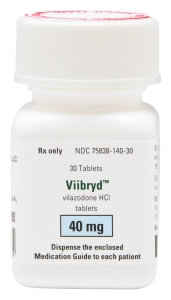
This new one is vilazodone, made by Massachusetts-based company Clinical Data, Inc., and will be sold under the name Viibryd (which I have absolutely no idea how to pronounce, but I’m sure someone will tell me soon).

At first glance, vilazodone seems promising. It’s not exactly a “me-too” drug, a molecule similar in structure and function to something that already exists. Instead, it’s a “dual-action” antidepressant, a selective serotonin reuptake inhibitor and partial agonist at serotonin 1A receptors. In other words, it does two things: it blocks the reuptake of serotonin into neurons (much like the existing SSRIs like Prozac, Zoloft, and Lexapro) and it acts as a partial agonist at a particular type of serotonin receptor called “1A.” A partial agonist is a molecule that binds to a receptor on a target cell and does not activate that cell fully but doesn’t entirely prevent its response, either.

(Note: don’t let the name fool you. “Dual-action” agents are not “twice as effective” as other agents, and sometimes work just the same.)

If you buy the serotonin hypothesis of depression (closely derived from the “monoamine hypothesis“), then depression is caused by a deficiency in serotonin. SSRIs cause an increase in serotonin between two cells. However, the higher levels of serotonin serve as “negative feedback” to the first-order cell in order to keep the system in balance. (Our bodies do this all the time. If I keep yelling at you for no clear reason, you’ll rapidly “downregulate” your attention so that you don’t listen to me anymore. Neurons work this way, too.) The idea behind a partial agonist is that it will only do “part” of the work that serotonin will do (actually, it will effectively block the negative feedback of serotonin) to increase serotonin release even more.

Remember– that’s only if you agree that low serotonin is responsible for depression. And there are plenty of respectable people who just don’t buy this. After all, no one has convincingly shown a serotonin deficit in depression, and when SSRIs do work (which they do, remarkably well sometimes), they may be acting by a totally different mechanism we just don’t understand yet. Nevertheless, vilazodone did show a significant effect as early as the first week, an effect that lasted for eight weeks.

Specifically, a phase III trial of 410 adults with depression showed decreases in MADRS and HAM-D scales relative to placebo, as well as on the CGI-I, CGI-S, and HAM-A scales, with a decrease in MADRS score from a mean of 30.8 at baseline to about 18 at the 8-week timepoint (the placebo group showed a decrease of about 10 points). A similar decrease was seen in the HAM-D. As is typical with these studies, the phase III trial did not compare vilazodone to an existing drug. However, unpublished phase II trials did compare it to fluoxetine (Prozac) and citalopram (Celexa), and to placebo, and results show that the drugs were comparable (and placebo response rates were high, as high as 40% in some trials). Incidentally, 9.3% of patients in the phase III trial dropped out due to adverse effects, mainly diarrhea.

So is a blockbuster in the works? Well, it’s not quite as “new” as one would think. SSRIs have been in widespread use for years, and there’s already a serotonin 1A partial agonist available called BuSpar (generic = buspirone) which is sort of a “ho-hum” drug– effective for some, but nothing to get too excited about. It seems that one could make “homemade” vilazodone by combining buspirone with an SSRI. (Kids, don’t try this at home. Please consult an expert.) This is a fairly common combination, although most psychiatrists have been underwhelmed by buspirone’s efficacy (one of my teachers called it “holy water”). Maybe vilazodone will convince me otherwise.

To go back to my original question, do we really need this? My gut reaction is no, as it seems too similar to what we already have available. There may be a small group of treatment-resistant depressed patients for whom vilazodone will be a wonder drug, a true lifesaver. In an attempt to discover this small group, the manufacturer is simultaneously studying “biomarkers that may predict treatment response.” In other words, they’re looking for genetic “fingerprints” that might predict patients who will respond to their drug (or who will get side effects). They have no “hits” yet (one of the markers they studied in phase III proved to have no predictive value in a follow-up trial), but it’s appealing to think that we might get more data on how to use– or avoid– this new drug more wisely.

While it’s good to have more tools in our toolkit, I sincerely hope this doesn’t turn into yet another in a long line of medications that we give to depressed patients in the trial-and-error process that unfortunately characterizes a lot of depression management. What’s truly needed is not just another serotonin agent, but a guideline (like a genetic test) to predict who’s likely to respond, or, better yet, a more sophisticated understanding of what’s happening in the minds of “depressed” patients. (And the differences among depressed patients far outweigh their similarities.) Until then, we’ll just be making incremental progress toward an elusive goal.


Levitra Ads Yanked From TV

January 25, 2011

Well, this is unfortunate news.  Drug maker GlaxoSmithKline is pulling its TV ads for Levitra.

No more awkward notices about “erections lasting longer than four hours” on the evening news.  No more of those suggestive glances between a couple out for a relaxing hike or enjoying a glass of wine on the back porch of their house (after their grown children have moved out, of course). No more reminders of how a simple pill can add that “spark” back in your relationship when you’d otherwise be worring about your retirement account, your mortgage, or which color of convertible to buy to satisfy your craving for youth.

In all seriousness, Glaxo sees erectile dysfunction as a “legitimate medical condition,” and while they’re committed to their product, they are pulling their direct-to-consumer Levitra ads “to be more respectful of patients.”  Says Dierdre Connelly, president of their North America pharmaceuticals unit, “when we walk into your home through television, we have to do it in a respectful way.”

That’s funny, when my friends walk into my home, they almost always ask me questions about my sex life and ask me indirect questions about whether I’m “ready.”

I have to admit, though, their German advertising is more entertaining:


LSD and the Happy Housewife

January 24, 2011

This video has been circulating on the internet over the last week or so; it’s from the mid-1950s and shows a “typical housewife” and her first experience with LSD.  It was part of a research study by Sidney Cohen at the Los Angeles VA Hospital, who was testing the effects of LSD on normal volunteers.  (hat tip to Huffington Post)


Lysergic acid, or LSD, has a fascinating history, and if we can ignore the pervasive cultural bias against  psychedelics and other potentially abusable substances, LSD must have appeared quite revolutionary in the mid-20th century.  Remember, this was before the advent of psychiatric medicine, after World War II, and at a time when psychotherapy was called upon to handle everything from psychosis to the neurotic housewife like the one in the video.  (Okay, I don’t know if she was neurotic, I’m just assuming so!)  Psychedelics were introduced by people like Cohen, Timothy Leary, and Stansilav Grof, as ways to alter the fundamental personality structure of a patient, creating an “inner quietude,” breaking down psychological barriers to insight, or “enhancing creativity.”  In the absence of anything else even remotely similar, LSD must have held quite some promise for psychiatry.

(Actually, it still does.  A number of controlled studies on psychedelics are underway, including the study of MDMA (ecstasy) to treat PTSD, and psilocybin (mushrooms) to treat anxiety and pain in end-stage cancer.)

One area in which LSD was used in the past, with some isolated positive results, was in the treatment of alcoholism.  It was believed that LSD might cause the same sort of “spiritual awakening” that is thought to be so important in the 12-Step model of recovery.  Indeed, Bill Wilson, founder of Alcoholics Anonymous, received a series of LSD sessions from 1955 to 1959, and as a result of his chemically-induced “spiritual” experiences, he is reported to have approached the directorship of AA to ask them to consider endorsing LSD as a therapy for alcoholism.  Something tells me AA would have a much wider membership today if this had taken hold.

Bonus feature:  A video made on the 100th anniversary of Albert Hofmann, the Sandoz Laboratories scientist who first synthesized LSD, depicting Hofmann’s first experience with LSD.  He took a dose in his laboratory but had to go home shortly thereafter because of acute anxiety and perceptual abnormalities.  Riding his bicycle home, he experienced feelings of paranoia, visual hallucinations and illusions, and the fear of imminent death.  This video re-creates the episode.


And finally, for good measure, if you like this, check out one of my favorite music videos, “Gronlandic Edit” by of Montreal.


Psychosomatic illness and the DSM-5

January 21, 2011

Among the most fascinating diagnoses in psychiatry are the somatoform disorders; these are characterized chiefly by physical symptoms without a clear medical or biological basis, but which instead are thought to arise from some deeper psychological source.  The field of “psychosomatic medicine” (not to mention many of the most classic cases of in the history of psychiatry and psychoanalysis) illustrates the impact of mental factors on physical illness.  Indeed, most of us have experienced the effects of our moods, thoughts, and attitudes on physical symptoms.  For instance, our headaches intensify when we’re under a lot of stress at work, whereas we can usually ignore pain and fatigue when in the midst of intense and exhilarating competition.  Conversely, intense psychological trauma or prolonged deprivation can contribute to chronic physical disease, while a terminal illness can cause extreme psycholgical suffering.

The somatoform disorders as currently listed in the DSM-IV, the “Bible” of psychiatric diagnosis, are:

  • conversion disorder – unexplained neurological symptoms that are thought to arise in response to psychological conflicts
  • somatization disorder – more widespread physical symptoms (pain, gastrointestinal, sexual, neurological) before the age of 30 and with a chronic course
  • hypochondriasis – excessive preoccupation, worry, or fear about having a serious medical illness
  • body dysmorphic disorder – excessive concern and preoccupation with a perceived (but often nonexistent) physical defect
  • pain disorder – chronic pain in one or more areas, usually exacerbated by psychological factors
  • undifferentiated somatoform disorder – one unexplained physical symptom, present for six months

The planning committee in charge of writing the DSM-5, the replacement to the DSM-IV, wants to scrap this category and create a new one called simply “Somatic Symptom Disorders.”  What makes a “Somatic Symptom Disorder” in the new classification?  According to the APA, “any somatic symptom or concern that is associated with significant distress or dysfunction,” combined with “anxiety” or “persistent concerns” about the symptoms.  Have a nasty, persistent cough?  Frequent headaches?  Concerned about it?  Congratulations, you may now have a mental illness as well.  They also propose a “complex somatic symptom disorder” (CSSD) category in which the symptom(s) is/are accompanied by “excessive or maladaptive response” to those symptoms.  What’s excessive or maladaptive?  As with anything in psychiatry, that’s for you (or, more accurately, your doctor) to decide.

(Specifically, most of the somatoform disorders will be lumped together into the “SSD” category.  They plan to move body dysmorphic disorder into the anxiety group, and the criteria for conversion disorder will be narrowed to describe simply an unexplained neurological symptom– none of the deeper psychological components are necessary for this diagnosis either).

Why would they do such a thing?  In the words of the APA, “clinicians find these diagnoses unclear” and “patients find them very objectionable.”  In other words, doctors just don’t use these diagnoses, and patients think their concerns aren’t being taken seriously.

Whether this justification seems appropriate is certainly debatable.  Maybe these diagnoses aren’t made because we’re just not looking for them.  Maybe we’re afraid of alienating patients.  Maybe it’s because no new drugs have been approved for use in somatoform disorders.  Or maybe it really is just a bogus category.  Nonetheless, the proposed solution may be just as bogus.  Indeed, it seems rather absurd to give a psychiatric diagnosis on the basis of a single unexplained bodily symptom and, of course, one complaint about this proposal is that it continues psychiatry’s gradual march towards pathologizing everyone.

To me, the greatest disappointment is that the richness and complexity of the various somatoform disorders will be disposed of, in favor of criteria that only require a physical symptom and “anxiety or concern” about the symptom.  It may sound condescending or objectionable to remark that an unexplained symptom is “all in one’s head,” but these more user-friendly diagnostic criteria may make clinicians even less likely to “look under the hood,” so to speak, and to uncover the mental and psychological factors that may have an overwhelming, yet hidden, influence on the patient’s body and his/her perceptions of bodily phenomena.
 
We are only beginning to understand the intricacies and wonders of the connections between mind and body.  Such understanding draws heavily on complementary approaches to human health and disease, alongside the findings of conventional medical science.  Hopefully, psychiatric practitioners will continue to pay attention to advances in this field in order to provide comprehensive, “holistic” care to patients, even if the DSM-5’s efforts at diagnostic expediency and simplicity portend otherwise.