The Painful Truth of Antidepressants

April 25, 2011

In a study published today, scientists at Rockefeller University proclaim that SSRI antidepressants (like Prozac and Celexa) may lose their efficacy when given with anti-inflammatory drugs like ibuprofen and aspirin.  Considering the high prevalence of depression and the widespread use of both SSRIs and anti-inflammatory medications, this result is bound to receive much attention.  As a matter of fact, it’s tantalizing to jump to the conclusion (as has been done in the Fox News and WSJ reports on this study) that the reason SSRIs may be so ineffective is because so many people with depression also use non-steroidal anti-inflammatory drugs (NSAIDs).

By my read of the data, it may be a bit too early to draw this conclusion.  Nevertheless, the study, by Paul Greengard, Jennifer Warner-Schmidt, and their colleagues, and published online in the Proceedings of the National Academy of Sciences, does propose some interesting mechanisms by which anti-inflammatory agents may affect antidepressant action.

The majority of the work was performed in mice, for which there are valid “models” of depression that are routinely used in preclinical studies.  In past work, Greengard’s group has shown that the expression of a small protein called p11 (which is associated with the localization and function of serotonin receptors) is correlated with “antidepressant-like” responses in mice, and probably in humans, too.  In the present study, they demonstrate that the antidepressants Prozac and Celexa cause an increase in expression of p11 in the frontal cortex of mice, and, moreover, that p11 expression is mediated by the ability of these antidepressants to cause elevations in interferon-gamma (IFN-γ) and tumor necrosis factor-alpha (TNF-α).  In other words, antidepressants enhance neural expression of these cytokines, which, in turn, increases p11 activity.

However, when mice are given NSAIDs or an analgesic (i.e., ibuprofen, naproxen, aspirin, or Tylenol), this prevents the increase in p11, as well as the increase in IFN-γ and TNF-α.  NSAIDs also prevent the “antidepressant-like” behavioral responses elicited by Celexa (as well as other antidepressants like Wellbutrin, Parnate, and TCAs) in mouse models of depression.

The group went one step further and even created a p11 “knockout” mouse.  These mice had no response to Celexa, nor did they have antidepressant-like responses to injections of IFN-γ or TNF-α.  However, the p11 knockout mice did respond to desipramine, an antidepressant that works mainly on norepinephrine, thus emphasizing the significance of serotonin in the p11-mediated response.

What does this mean for humans?  To answer this question, the group analyzed data from STAR*D, a huge multicenter antidepressant trial.  In the first stage of STAR*D, all patients (total of approximately 1500 individuals) took Celexa for a 12-week period.  The remission rate for patients who took an NSAID at any time during this 12-week period was only 45%, while those who took no NSAID remitted at a rate of 55%.

So does this mean that people taking antidepressants should avoid NSAIDs, and just deal with their pain?  Probably not. (In fact, one might ask the opposite question:  should people with chronic pain avoid SSRIs?  Unfortunately, the study did not look at whether SSRIs inhibited the pain-relieving effects of NSAIDs.)

In my opinion, some of the mouse data need to be interpreted carefully.  For instance, the mice received extremely high doses of NSAIDs (e.g., ibuprofen at 70 mg/kg/d, which corresponds to 4200 mg/d for a 60-kg man, or 21 Advil pills per day; similarly, the mice drinking aspirin received 210 mg/kg/d, or 12,600 mg = ~39 pills of regular-strength aspirin per day for a typical human).  Also, in the behavioral studies the mice received NSAIDs for an entire week but received only a single injection of Celexa (20 mg/kg, or about 1200 mg, 60 pills) immediately before the behavioral experiments.
The human data, of course, are equally suspect.  Patients in the STAR*D study were counted as “NSAID users” if they described using NSAIDs even once in the first 12 weeks of the study.  It’s hard to see how the use of ibuprofen once or twice in a three-month period might interfere with someone’s daily Celexa.  (Not to mention the fact that the “remission” data from STAR*D have come under some scrutiny themselves – see here and here).  Moreover, as the authors point out, it’s quite likely that patients with more severe forms of depression also had concurrent pain syndromes and used NSAIDs more frequently.  In other words, NSAID use might not attenuate SSRI activity, but may be a sign of depression that is more resistant to SSRIs.

In the end, however, I find the study to be quite provocative.  Certainly the correlation of antidepressant effect with expression of the p11 protein and with TNF-α and IFN-γ activity suggests a novel mechanism of antidepressant action—as well as new markers for antidepressant activity.  Moreover, the potential roles of NSAIDs in reducing antidepressant effects (or, in some cases, enhancing these effects), need to be explored.

But it raises even more unanswered questions.  For one, how do we reconcile the fact that antidepressant effects are associated with increased TNF-α and IFN-γ activity in the brain, while increases in these cytokines in the periphery are thought to cause depression?  Also, how can we explain the fact that other analgesic compounds, such as tramadol and buprenorphine, might actually have an antidepressant effect?  Finally, what does this mean for our treatment of pain symptoms in depression?  Should we avoid SSRIs and use other types of antidepressants instead?  Do NSAIDs inhibit the effects of SNRIs like Cymbalta, which has recently been FDA-approved for the treatment of chronic musculoskeletal pain (and whose users are most certainly also taking medications like NSAIDs)?

It’s great that the interface between mental illness and physical syndromes is receiving some well-deserved attention.  It’s also exciting to see that the neuroscience and pharmacology of depression and pain may overlap in critical ways that influence how we will treat these disorders in the future.  Perhaps it may also explain our failures up to now.  With future work in this area, studies like these will help us develop more appropriate antidepressant strategies for the “real world.”

[Finally, a “hat tip,” of sorts, to Fox News, which first alerted me to this article.  Unfortunately, the story, written by Dr. Manny Alvarez, was fairly low on substance but high on the “wow” factor.  It drew some broad conclusions and—my biggest pet peeve—did not refer the reader to any site or source to get more detailed information.  Alas, such is the case with much public science and medicine reporting: Alarm first, ask questions later.]


Curbing Prescription Addiction

April 21, 2011

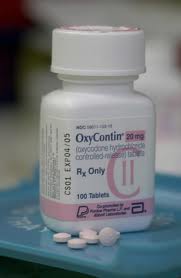
It should come as no surprise to anyone that prescription drug abuse is a serious problem.  As if we needed any reminder, a flurry of articles recently hit the press, showing just how serious the problem is.  Opioids (narcotic pain medications like Vicodin, Oxycontin, methadone, etc) are the most widely prescribed drugs in America, according to IMS and to a recent survey by the National Institute on Drug Abuse (NIDA), and prescriptions can lead to misuse, abuse, and dependence.

Predictably, the government plans to get involved.  As the New York Times reported earlier this week, the Obama administration wants to create legislation “requiring doctors to undergo training” before being permitted to prescribe opioid pain meds.

Hearing “government” and “training” in the same sentence doesn’t exactly inspire confidence.  What will the “training” consist of?   An online seminar?  A paper-and-pencil exam from the DEA?  A separate section on “managing pain patients” in our Board Certification exams?

[And didn’t we do this already?  As a matter of fact, yes, we did:  Back in 2000, JCAHO (the “Joint Commission” which accredits healthcare organizations) required doctors to undergo training to recognize and treat pain disorders.  Back then, we were told that we weren’t treating pain often enough.  Maybe the pendulum has swung too far in the other direction?  Maybe we’ve done our job too well?]

With respect to the prevention of opioid abuse, I agree it’s a good idea for doctors to recognize the warning signs of addiction, to implement monitoring procedures (like random urine tests and treatment contracts), to deny early refills, and to inquire about other risk factors for abuse.  Sadly, many doctors don’t take these measures and need encouragement to do so.  But something tells me that simply providing government-mandated “prescriber education” won’t fix the problem.

In my opinion, there are two other important issues to be addressed before this “training” will prove to be useful.

The first is to get rid of existing inefficiencies.  The truth is, most doctors already know the proper steps for prescribing potentially abusable opioids to pain patients.  Some clinics (particularly pain clinics) follow these steps with all patients, simply as a matter of course.  But in most treatment settings these steps are difficult to take.  Regular urine monitoring is cumbersome and intrusive (although relatively inexpensive); generating a treatment contract takes time (although it’s arguably the most important “paperwork” of the appointment); and reviewing a patient’s full medication history is a challenge.  Moreover, most of our non-patient-care resources and personnel are devoted to billing and data entry, rather than in these ancillary services that, in the long run, are far more important to cost-effective patient care.

[A side note: many states provide a “prescription drug monitoring” service to permit doctors to view prescriptions for controlled substances that any patient has filled in that state.  However—at least in California—the application process takes 3-6 months, the data are typically delayed about 2-3 months, it does not include non-controlled drugs, and not all pharmacies participate.  It still blows my mind that for the last 10-15 years it has been easier to purchase airplane tickets online or to send computer files halfway around the globe than to determine whether the patient sitting in my office has filled a prescription for OxyContin in the last 90 days.  Simply improving the existing technology would be the most immediately beneficial step.]

The second—and, in my opinion, more important—item is for doctors to understand what is the goal of treatment.  Not just “relief of pain,” but when (if at all) can the treatment be said to be complete?  I’ve written about this before (see “When Does Treatment End?”), and I’m convinced it’s an important question not just in the treatment of pain but in the management of all conditions, even those we consider “chronic.”  I believe that all prescribers need to ask themselves, “How long will the patient need this medication?” and engage the patient in this discussion, too.

I frequently see patients who have been prescribed opioid pain medications, or benzodiazepines or stimulants (not to mention SSRIs or other psychiatric meds), who have no idea how long they’ll need to take them.  They just “got a script.”  And because these medications are highly reinforcing (they relieve pain or anxiety, and sometimes have a pleasant psychoactive effect as well), they’ll continue to ask for more.  Why shouldn’t they, since they were never told they should stop?

In any treatment setting, the patient and doctor should have a mutual understanding of the goals and likely duration of treatment.  This plan can (and should) be flexible, but it should always have some realistic end point.  Moreover, we should always measure our progress relative to that goal, rather than “kicking the can down the road” and letting someone else deal with the discontinuation of care later.  I don’t think doctors should be in the business of denying care to patients, but if we’ve already had the discussion of when treatment might end, the issue of “no” has already been raised, and the patient understands this.

How would this minimize the abuse of addictive medication?  For one thing, it would limit access to the drug because we, a priori, are refusing to provide an endless supply.  In turn, this helps the patient recognize that everything is being prescribed for a particular purpose, whether for the transient relief of post-op pain or the longer-term management of cancer pain.  If and when other symptoms emerge, they need to be discussed and treated separately—or a more comprehensive treatment plan should be developed, if the evolving symptoms fit a characteristic pattern.

I know this is a tall order, and these suggestions may be hard to implement in many of the places where narcotic prescribing is common (ERs, urgent care clinics, etc).  But they are important measures to take.  We need to take the steps we know we should take (rather than wait for the government to tell us to do so—because we know how that will turn out).  And we need to think about patients as people with the power to heal, and plan for the healing process to take place, rather than give knee-jerk reactions (i.e., prescriptions) for symptoms.  If we do this, patients will be less likely to take matters into their own hands and “self-medicate,” and the outcome of treatment will be better for all.


Nuedexta: “Pipeline in a Pill” or Pipe Dream?

April 18, 2011

If you’re like me, you’ve probably seen numerous Internet ads for a new medication called Nuedexta from Avanir Pharmaceuticals.  Nuedexta was approved in October 2010 for the treatment of “pseudobulbar affect,” or PBA.  My first reaction was one of surprise, as PBA is relatively uncommon, or so I was taught: why would a drug company be aggressively advertising a drug with such a niche market?  However, as I thought about the symptoms that define PBA—and then, last week, I received a Nuedexta promotional packet in the mail—I figured I should take a look “under the hood.”

First of all, I reviewed the presentation and biology of PBA.  I remember being taught in residency that it is a fairly uncommon manifestation of neurological illness, although it has a very distinctive presentation, namely, emotional expressions that are disconnected from any subjective emotional changes.  Indeed, an alternate name for it is “pathological laughing and crying.”  Certainly, the discrepancy between a patient’s emotional display—which may be extreme, and cause great distress to caregivers—and the lack of any subjective change in mood, is highly suggestive of a focal brain abnormality.

PBA is typically caused by a specific brain lesion between the cortex (the source of voluntary thought/action) and the brainstem (the source of involuntary emotional expression like laughing and crying).  Normally, we’re stimulated to laugh or cry by something funny or sad; these emotions are first processed in the cortex, which then sends a message to the brainstem to express that emotion.  If you have a lesion between your cortex and brainstem (e.g., from a stroke, multiple sclerosis, or a degenerative process) then the emotional expression can be entirely separated from the conscious awareness of it.

Over the last decade some research groups have begun to look at dextromethorphan as a potential treatment for PBA.  Dextromethorphan, also known as DXM, is a cough suppressant, the active ingredient in Robitussin, not to mention a drug often used recreationally for its dissociative and hallucinogenic properties.  Dextromethorphan is an NMDA antagonist (i.e., it prevents glutamate from activating target cells via NMDA receptors) as well as an agonist of a type of receptor called “sigma-1,” whose role is much less understood.

When dextromethorphan is combined with quinidine, another widely available drug (used to treat heart arrhythmias), the quinidine inhibits dextromethorphan’s metabolism, allowing it to penetrate the brain at doses low enough to avoid any peripheral toxicity.  Once inside the brain, it “may act on regions implicated in emotional expression” (by an unknown mechanism) and, indeed, it improves PBA symptoms with the only significant side effects being dizziness and diarrhea.  The new drug Nuedexta is a combination of 20 mg dextromethorphan and 10 mg quinidine, and the estimated cost will be from $3000-$5000 per year.

(BTW, note the theme here, which is similar to what I wrote about with Contrave:  Nuedexta is actually a combination of two existing, generic—i.e., cheap—drugs, with a significant markup, to cover the costs of clinical testing, marketing, and, of course, shareholder profits.)

Physicians—and patients—may wonder why we need a new drug to treat PBA.  Certainly, this is a good question (although I think PBA is simply Avanir’s “foot in the door,” as I’ll discuss below).  A 2007 review in the Annals of Neurology shows that a number of medications, including SSRIs like citalopram, and tricyclic antidepressants (TCAs), are effective in managing the symptoms of PBA (see also here).  And, as I mentioned earlier, the proper diagnosis of PBA requires the presence of an underlying neurological disorder, and treatment of the disorder, too, may ameliorate the PBA symptoms.

Interestingly, while I searched for literature references discussing PBA, I found that most—if not all—of the literature from the last 5-6 years has been funded or underwritten by Avanir Pharmaceuticals—and all of which discussed the benefits of dextromethorphan/quinidine.  This included an “educational review” published by the National Stroke Association in 2005.  In fact, the editors of the Annals of Neurology issue I cited above tried to get someone to write a review on PBA but couldn’t find any authors “untouched by Avanir.”  It certainly seems that Avanir’s PR effort has paid off.

The coup de grâce, in my opinion, is an “expert review” on PBA published in the journal CNS Spectrums in October 2005.  It’s a roundtable discussion on how to distinguish PBA from other psychiatric and neurologic disorders—and, of course, the benefits of dextromethorphan/quinidine.  It seems like a fair review, although the authors make comments that broaden the definition of PBA to include other disturbances of affect, which are extremely common among psychiatric patients. “It may be useful to regard affective lability,” they write, “as a disorder of affect that exists at a point on a continuum between normal affective variability and the more severe end of the continuum characterized by [PBA].”  Furthermore, they encourage clinicians to “include a specific assessment for PBA” in all patients with any neurological condition, to prevent their being “misdiagnosed” with a psychiatric disorder—the implication being that what we might call “poststroke depression” might actually be PBA.  And they even open the door to the possibility that “PBA-like” symptoms might not have a recognizable neurological basis:  “In some cases PBA may be the only clinically identifiable manifestation of the neurological condition.  In light of the overlap between the neurology of affect regulation and the neurology of psychiatric conditions, … PBA may sometimes occur in the latter context as well.” [Emphasis mine.]

You can see where this is all headed—and probably why I received a promotional packet for Nuedexta, even though I’m not a neurologist.  Here we have a new medication, which has been approved for a neurological syndrome whose major manifestation is “affective instability.”  Even though the proper diagnosis of PBA requires far more than that, clinicians will undoubtedly use it off-label for the affective lability seen in many other conditions (such as bipolar disorder, schizophrenia, autism, dementia, maybe even childhood irritability, etc).  And my bet is that Avanir will try to get Nuedexta approved for all of these conditions.

(BTW, Nuedexta has never been compared head-to-head with SSRIs or TCAs, and the trials which led to Nuedexta’s approval showed only slight improvement vs. placebo in patients with PBA due to multiple sclerosis and ALS.)

Indeed, Avanir’s investor materials (see pdf here) already state that the company will seek approval for multiple sclerosis-related pain, and for behavioral symptoms in dementia.  And when one considers how atypical antipsychotics have been affected by “indication creep,” it is probably only a matter of time before Nuedexta will be tested for other disorders characterized by affective changes, including the big kahunas: depression and bipolar disorder.  To that end, during a November 2009 conference call to shareholders, Keith Katkin, Avanir’s CEO, described Nuedexta as a “pipeline in a pill.”

I should note here that I have not tried Nuedexta so I can’t say whether it is effective.  I also have no financial interest in Avanir Pharmaceuticals.  I don’t see how Nuedexta’s pharmacological properties might control affective outbursts (but then again, I can’t explain precisely how SSRIs treat depression, either).  Certainly I’ve read of isolated cases in which Nuedexta has led to “dramatic improvement,” but those cases are from spokespeople with “skin in the game,” so to speak.  Nuedexta might be a blockbuster drug in neurology and psychiatry alike, and I’m willing to give it that chance.  However, at this stage the marketing speaks far louder than the data, and the seeds are already being sown for the more widespread use of this relatively unproven agent.  We need to be cautious not to be swayed by the influence of those who want to make a few bucks (or a few billion) off our ignorance.


Antidepressants and “Stress” Revisited

April 13, 2011

If you have even the slightest interest in the biology of depression (or if you’ve spent any time treating depression), you’ve heard about the connection between stress and depressive illness.  There does seem to be a biological—maybe even a causative—link, and in many ways, this seems intuitive:  Stressful situations make us feel sad, hopeless, helpless, etc—many of the features of major depression—and the physiological changes associated with stress probably increase the likelihood that we will, in fact, become clinically depressed.

To cite a specific example, a steroid hormone called cortisol is elevated during stress, and—probably not coincidentally—is also usually elevated in depression.  Some researchers have attempted to treat depression by blocking the effects of cortisol in the brain.  Although we don’t (yet) treat depression this way, it is a tantalizing hypothesis, if for no reason other than the fact that it makes more intuitive sense than the “serotonin hypothesis” of depression, which has little evidence to back it up.

A recent article in Molecular Psychiatry (pdf here) adds another wrinkle to the stress hormone/depression story.  Researchers from King’s College London, led by Christoph Anacker, show that antidepressants actually promote the growth and development of new nerve cells in the hippocampus, and both processes depend on the stress hormone receptor (also known as the glucocorticoid receptor or GR).

Specifically, the group performed their experiments in a cell culture system using human hippocampal progenitor cells (this avoids some of the complications of doing such experiments in animals or humans).  They found that neither sertraline (Zoloft) alone, nor stress steroids (in this case, dexamethasone or DEX) alone, caused cells to proliferate, but when given together, proliferation occurred—in other words, the hippocampal progenitor cells started to divide rapidly.  [see figure above]

Furthermore, when they continued to incubate the cells with Zoloft, the cells “differentiated”—i.e., they turned into cells with all the characteristics of mature nerve cells.  But in this case, differentiation was inhibited by dexamethasone. [see figure at right]

To make matters more complicated, the differentiation process was also inhibited by RU486, a blocker of the receptor for dexamethasone (and other stress hormones).  What’s amazing is that RU486 prevented Zoloft-induced cell differentiation even in the absence of stress hormones.  (However, it did prevent the damaging effects of dexamethasone, consistent with what we might predict.) [see figure at left]

The take-home message here is that antidepressants and dexamethasone (i.e., stress hormones) are required for cell proliferation (first figure), but only antidepressants cause cell differentiation and maturation (second figure).  Furthermore, both processes can be inhibited by RU486, a stress hormone antagonist (third figure).

All in all, this research makes antidepressants look “good.”  (Incidentally, the researchers also got the same results with amitripytline and clomipramine, two tricyclic antidepressants, so the effect is not unique to SSRIs like Zoloft.)  However, it raises serious questions about the relationship between stress hormones and depression.  If antidepressants work by promoting the growth and development of hippocampal neurons, then this research also says that stress hormones (like dexamethasone) might be required, too—at least for part of this process (i.e., they’re required for growth/proliferation, but not for differentiation).

This also raises questions about the effects of RU486.  Readers may recall the enthusiasm surrounding RU486 a few years ago as a potential treatment for psychotic depression, promoted by Alan Schatzberg and his colleagues at Corcept Pharmaceuticals.  Their argument (a convincing one, at the time) was that if we could block the unusually high levels of cortisol seen in severe, psychotic depression, we might treat the disease more effectively.  However, clinical trials of their drug Corlux (= RU486) were unsuccessful.  The experiments in this paper show one possible explanation why:   Instead of simply blocking stress hormones, RU486 blocks the stress hormone receptor, which seems to be the key intermediary for the positive effects of antidepressants (see the third figure).

The Big Picture:   I’m well aware that this is how science progresses:  we continually refine our hypotheses as we collect new data, and sometimes we learn how medications work only after we’ve been using them successfully for many years.  (How long did it take to learn the precise mechanism of salicylic acid, also known as aspirin?  More than two millennia, at least.)  But here we have a case in which antidepressants seem to work in a fashion that is so different from what we originally thought (incidentally, the word “serotonin” is used only three times in their 13-page article!!).  Moreover, the new mechanism (making new brain cells!!) is quite significant.  And the involvement of stress hormones in this new mechanism doesn’t seem very intuitive or “clean” either.

It makes me wonder (yet again) what the heck these drugs are doing.  I’m not suggesting we call a moratorium on the further use of antidepressants until we learn exactly how they work, but I do suggest that we practice a bit of caution when using them.  At the very least, we need to change our “models” of depression.  Fast.

Overall, I’m glad this research is being done so that we can learn more about the mechanisms of antidepressant action (and develop new, more specific ones… maybe ones that target the glucocorticoid receptor).  In the meantime, we ought to pause and recognize that what we think we’re doing may be entirely wrong.  Practicing a little humility is good every once in a while, even especially for a psychopharmacologist.


Silenor II: The Human Laboratory

April 10, 2011

After my recent post on Silenor, the new sleeping drug, I received many nice—and not-so-nice—comments and emails from people who challenged my conclusions.  The “not-so-nice” responses–which I did not publish–were, for the most part, from readers who were clearly invested in Somaxon Pharmaceuticals and must have feared that my comments would further weaken the value of their stock (as if my input was that powerful – lol).  [BTW I have no financial interest, long or short, in Somaxon.]

But others were professional and well-reasoned, and emphasized the true need for a medication like Silenor: an effective sleeping medication with little daytime “hangover” effect and few other adverse effects.  Some comments (which you can read on my page) were from users who seem to have had good experiences with Silenor.

Assuming these comments are truly from satisfied users of Silenor (a big assumption, as this is still the internet!!), I started to think about something that every psychopharmacologist (including myself) struggles with on a regular basis:  namely, the fact that some people respond exactly the way we expect them to respond, based on our biochemical hypotheses, whereas others have completely different responses.  Or to put it another way, our models—and the research that is done to support those models—often have very little predictive value when you translate this information to the real world.  And nowhere is this more apparent than in psychiatry.

In medical school and residency, I was a bit of a pharmacology nut.  (I’d use the word “wonk,” but I always thought that word was reserved for “insiders,” of which I am decidedly not one.)  Pharmacology, indeed, is a fascinating subject.  Bioavailability, pharmacokinetics, receptor-binding affinities, metabolism, drug-drug interactions—each of these is a discipline unto itself, with its own language, experimental methods, and predictive power.

In psychiatry, the intricacies of pharmacology become even more elaborate.  There’s a lot of research (not to mention pages and pages of textbook chapters and lots of drug company promotional materials) describing the details drug dosing regimens, drug-drug interactions, receptor-binding affinities and their putative relationships with symptom profiles, etc.  Just to pick out some familiar examples, the dosing strategies for Seroquel XR and Abilify seem quite detailed indeed:  the predicted effects of very low doses are thought to be different from “mid-range” doses, which are different still from higher doses.  And so on.

The truth of the matter is, these subtleties often make very little difference in the real world.  That’s not to say that the theories of action are wrong. (Maybe Seroquel XR really is an effective norepinephrine reuptake inhibitor at moderate concentrations.)  Instead, it speaks to the enormous variability among human beings, and the fact that our real-world patients sometimes don’t fit the models we construct for them.

Back to Silenor.  I received a detailed email from Martin Scharf, a professor of psychiatry at Wright State University who has spent decades researching sleep medications.  In fact, he was involved in several of the studies on low-dose doxepin which set the stage for Silenor.  (See some of his work here and here.)  In his email he claimed that I “misse[d] the point of the uniqueness of the dosage selection” for Silenor, citing how the low dose (i.e., <10 mg/d) makes the drug more specific for the histamine receptor and avoids side effects that can be attributed to its interaction with other receptor subtypes.  Thus Silenor causes “virtually no next day effects,” whereas “at the 10 mg dose there is little doubt as to next day effects.”  [Indeed, I should point out here that the same arguments were made, in great detail, in the Stephen Stahl article that I cited in my post.]

My response to Dr Scharf is:  OK.  But what do patients actually experience?  In fact, I would take issue with the comment that “there is little doubt as to next day effects” because I have patients taking 25 or 50 mg doxepin who do not report next day effects (and some MDs who responded to my first post said the same thing).  Or if they do experience next-day effects, perhaps they’re not bothersome and they’re only apparent upon questioning.  In other words, the numbers predict one thing, but what do patients report?

The human body is a laboratory, and each drug we prescribe is an “experiment” in that laboratory.  For many people, however, the laboratory doesn’t resemble the pristine one in the clinical trials.  People take extra doses of drugs, or skip doses altogether.  They’ll take drugs at different times than prescribed.  Once inside the body (and even this process is highly variable), the drugs are metabolized differently, or they’ll react with existing chemicals (foods, other drugs, neurotransmitter receptors, different polymorphisms of receptors, etc) in ways that we can only begin to understand, due to this substantial combinatorial complexity.

Unfortunately (or fortunately, depending on how you look at it), bringing a drug like Silenor to market requires that the molecule be tested in very rigorous (and therefore “pristine”) conditions in both animals and humans.  Dr Scharf and his colleagues have done painstaking work in showing precisely how drugs like Silenor work—ideally.  But in the real world, “all bets are off,” as they say.   Patients taking 25 or 50 mg doxepin often feel “just fine” and have no QT prolongation or weight gain, regardless of what the clinical trials would predict.  Similarly, patients taking 6 mg might report absolutely no benefit at all.

I should emphasize, I do NOT advocate reckless prescribing—e.g., giving “PRN” prescriptions to everyone and ask them to adjust the dose according to what makes them feel better, or prescribing without consideration of all of the potential biological effects of our drugs.  We clinicians do have a responsibility to look out for drug-drug interactions (which can be lethal at times), to check drug levels (for certain medications, even regardless of clinical response) and to prescribe potentially abusable medications cautiously.  Knowledge of all of the principles of pharmacology is necessary to ensure the safe use of medications, and taking advantage of this knowledge can improve patient outcomes.

But in the real world it is all about the patient, and if they “do well” on doses of medications that seem to make no sense at all (and all safety measures are in place), isn’t that what counts most?  And, moreover, shouldn’t that lead us to question the hypotheses that led us to those doses in the first place?


Horizant: The Second Coming of Gabapentin

April 8, 2011

Like the religious notion of reincarnation, apparently some drugs are destined to be reborn as newly designed and re-packaged drugs for brand new indications.  I’ve written about Contrave and Silenor, for instance—two drugs with generic equivalents that have been re-tweaked, re-packaged, and renamed, for newer (and larger) markets.

This week, the FDA granted its approval to yet another “new” agent (that’s “new” with an asterisk, mind you), Horizant, developed by GlaxoSmithKline (GSK) and Xenoport.  Horizant is a name-brand version of gabapentin, which is also known as Neurontin.  While on the surface this appears to be an attempt to re-brand an existing drug, it may actually provide some advantages over the already-available alternative.  But the question is, at what cost?  And for what exactly?

Gabapentin was approved in 1994 and is marketed as Neurontin.  It’s approved for the treatment of partial seizures and post-herpetic neuralgia (although its manufacturer, Pfizer, got into some serious trouble for extensive off-label marketing of this compound—so what else is new?).  These days, it’s actually quite widely used by neurologists and psychiatrists, not just for seizures, but also for  chronic pain syndromes, anxiety, mood stabilization (where it’s not particularly effective), and even for alcohol dependence.

Gabapentin’s bioavailability—the ability of the drug to enter the bloodstream when taken as an oral dose—is rather low (and, paradoxically, decreases as the dose is increased) and the duration of its action is quite short, which means that users need to take this drug three or four times daily.  The key advantage of Horizant is that it is a “pro-drug.”  Technically it’s gabapentin enacarbil, and the “enacarbil” refers to a molecule added to the drug which allows it to be absorbed along the entire GI tract, resulting in greater blood levels.

(Interestingly, in early 2010 the FDA rejected Horizant’s first request for approval, citing a small but significant risk of cancer.  They relented, however, and approved it this year after “reconsidering the risks and benefits.”  Sound fishy?  No, I’m sure it’s all good.)

So who might use Horizant?  Well, you can bet that GSK and Xenoport hope that anyone who currently uses Neurontin (and there are a lot of them) is a potential customer patient.  Officially, though, it was approved for the treatment of restless legs syndrome (RLS).

Now, RLS is one of those “diseases that may not be diseases”—or “diseases that you didn’t know you had.”  (See the articles here and here for accusations of “disease mongering” by GSK [hey! GSK! Coincidence? I don’t think so!] when it introduced Requip, the first “treatment” for RLS.)  Hopefully it goes without saying that when you see headlines like “Disease X may affect  7-10% of the population” when, in fact, no one had even heard of Disease X ten years ago, you have to be somewhat suspect.

Nevertheless, like much else in psychiatry, there may be some reality to RLS; it may in fact be a true pathophysiological entity that responds to medication.  (Whether this entity afflicts 10% of the population is another story.)  Current treatment strategies involve dopamine replacement, in the form of Requip (ropinirole) or Mirapex (pramipexole) so maybe dopamine insufficiency is part of the process.

The symptoms of RLS are “an urge to move the limbs, which improves with activity and worsens with rest.”  That’s about it.  Which leads to yet another problem (a problem that GSK and Xenoport don’t see as a problem, that’s for sure): with such nonspecific and common symptoms (who among us hasn’t felt somewhat restless, with interrupted sleep?), a lot of people might get diagnosed with RLS when their symptoms are actually due to something else.

I thought of this a few weeks ago, when I saw that the RLS “patient page” on the National Institutes of Health (NIH) web site referred to RLS as “akathisia” (thanks to altmentalities for the link).  Akathisia (from the Greek for “not sitting still”) has long been recognized as a side effect of some—perhaps most—psychiatric medications, from antipsychotics to antidepressants.  It is often described as an “inner restlessness,” a “need to keep moving.”  Sometimes it’s associated with extreme emotional distress.  In terms of severity, it can range from a mild nuisance to—in some cases—aggressive tendencies.  (Indeed, the psychiatrist David Healy has even linked psychotropic-induced akathisia to suicide attempts and violent behavior.)

Psychiatrists really don’t know exactly what causes akathisia, and disagree on how to treat it.  It may have something to do with dopamine blockade, or something completely independent.  Treatment might consist of benzodiazepines (like Ativan or Valium), beta blockers (like propranolol), or discontinuing the drug that caused it in the first place.

Unlike RLS, which seems to bother people most when they are lying down (hence its tendency to disrupt sleep), drug-induced akathisia is worse when people are awake and moving around.  Sounds like a simple distinction.  But nothing is quite this simple, particularly when psychiatric drugs—and real people—are involved.   In fact, many psychiatric meds can cause other motor side effects, too, involving (theoretically) yet other neural pathways, such as “parkinsonian” side effects like rigidity and tremor.  (In fact, some antipsychotic drug trials show “restlessness” and “akathisia” as entirely separate side effects, and when I’ve tried to ask experts to explain the difference, I have never received a straightforward answer.)

So what does this all mean for Horizant?  I could be cynical and simply remark that GSK/Xenoport are capitalizing on the nonspecificity of symptoms, the tremendous diagnostic overlap, and the fact that motor side effects, in general, are common side effects of antipsychotics (one of the most widely prescribed drug classes worldwide).  In other words, they know that there are a lot of people out there with “restless legs” for all kinds of reasons, and lots of psychiatrists who will misdiagnose akathisia as RLS and prescribe Horizant for this purpose.  But in reality, that remark would not be all that cynical.  Remember, there is this pesky little thing called “return on investment.”

What it means for the patient (or should I say “customer”) is more confusing.  A new agent with apparently better availability and kinetics than gabapentin is now available, but approved for the treatment of something that may or may not exist (in most patients), and may or may not be more effective than gabapentin itself.  Oh, and a hefty price tag, too.  Ah, the wheels of psychopharmacology keep turning….

(NB: altmentalities has also written her point of view on the Horizant story… I suggest you check it out, too.)


The Power Of No

April 3, 2011

Why is it that when someone tells us we can’t have something, we just want it more?  Marketers (those masters of neuropsychology) use this to their great advantage.  “Call now!  Offer expires in ten minutes!”  “Only one more available at this price!”  “Limited edition—Act now!”  Talk about incentive salience!!!

This phenomenon is known as the Scarcity Effect—a psychological principle saying that individuals don’t want to be left alone without an item—particularly something they believe they cannot have.  We’ve all experienced this in our personal lives.  Tight budgets often invite wasteful expenditures.  Obsession over “forbidden foods” has ruined many a diet.  Saying “no” to a child is frequently a trigger for constant begs and pleas.

Given the apparent universality of this concept, it’s surprising that we fall victim to it in medicine as often as we do, particularly at times when we want to motivate behavior change.  Saying “no” to a patient usually doesn’t work—it’s human nature.  In fact, if anything, the outcome is usually the opposite.  Reciting the dangers of cigarette smoking or obesity, for example, or admonishing a patient for these behaviors, rarely eliminates them.  The patient instead experiences shame or guilt that, paradoxically, strengthens his resistance to change.

But if we understand the Scarcity Effect, we doctors can outsmart it and use it to our advantage.  This can be important when we prescribe medications which are likely to be misused or abused, like sleep medications or benzodiazepines (Valium, Xanax, and others).  These drugs are remarkably effective for management of insomnia and anxiety, but their overuse has led to great morbidity, mortality, and increased health costs.  Similarly, narcotic pain medications are also effective but may be used excessively, with unfortunate results.  We discourage excessive use of these drugs because of side effects, the development of physical dependence, and something I call “psychological dependence”: the self-defeating belief I see in many patients that taking a pill is absolutely necessary to do what the patient should be able to do by him- or herself.

If I give a patient a prescription and say something like “Here’s a script for 15 pills, but I’m not giving you a refill until next month,” I’m almost inviting failure.  Just as expected by the Scarcity Effect, the patient’s first thought is usually “but what if I need 16?”

(I’ve worked extensively in addiction medicine, and the same principle is at work here, too.  When an alcoholic in early recovery is told that he can never have a drink again, he immediately starts to crave one.  Now I know that most alcoholics in early recovery are not in the position to say “no” to a drink, but this is the ultimate goal.  Their ability and willingness to say “no” is far more effective for long-term sobriety than someone else saying “no” for them.)

So why exactly does inaccessibility lead to craving?  Because even when it’s clear that we cannot have something, our repeated efforts to get it sometimes pay off.  And here’s where another psychological principle—that of intermittent reinforcement—comes in to play.  People who play the lottery are victims of this.  They know (most of them!!) that the odds of their winning are vanishingly low.  Most people never win, and those who play regularly are almost always losers.  However, every once in a while they’ll get lucky and win a $5 scratcher (and see the news stories about the $80 million jackpot winner just like them!) and this is incredibly reinforcing.

Similarly, if a doctor tells a patient that she should use only 10 Ambien tablets in 30 days– and that no refills will be allowed– but she calls the doctor on day #12 and asks for a refill anyway, getting the refill is incredibly reinforcing.  In the drug and alcohol treatment center where I used to work, if someone’s withdrawal symptoms did not require an additional Valium according to a very clear detox protocol, he might beg to a nurse or staff member, and occasionally get one—precisely what we do not want to do to an addict trying to get clean.

The danger is not so much in the reinforcement per se, but in the fact that the patient is led to believe (for very therapeutic reasons) that there will be no reinforcement, and yet he or she receives it anyway.  This, in my view, potentially thwarts the whole therapeutic alliance.  It permits the patient’s unhealthy behaviors to prevail over the strict limits that were originally set, despite great efforts (by patient and doctor alike) to adhere to these limits.  As a result, the unhealthy behaviors override conscious, healthy decisions that the patient is often perfectly capable of making.

One solution is, paradoxically, to give more control back to the patient.  For example, prescribing 30 Ambien per month but encouraging the patient to use only 10.  If she uses 12 or 15, no big deal—but it’s fodder for discussion at the next visit.  Similarly, instead of making a statement that “no narcotic refills will be given,” we can give some rough guidelines in the beginning but let the patient know that requests will be evaluated if and when they occur.  Recovering addicts, too, need to know that relapses and craving are not only common, but expected, and instead of seeing them as failures of treatment (the big “no”), they are a natural part of recovery and worthy of discussion and understanding.

In medicine, as in all sciences dealing with human behavior, ambivalence is common.  Preserving and respecting the patient’s ability to make decisions, even those which might be unhealthy, may seem like giving in to weakness.  I disagree.  Instead, it teaches patients to make more thoughtful choices for themselves (both good and bad)—exactly what we want to encourage for optimal health.


The FDA Should Really Look Into This Drug

April 1, 2011

The Food and Drug Administration (FDA) regulates and approves medications for use in humans.  Their approval process is rigorous, and they do extensive monitoring of drugs they’ve already approved (“postmarketing surveillance”) to ensure their continued safety and efficacy.

As a psychiatrist, I see one particular drug used very frequently by my patients, usually prescribed by another physician for management of a physical or mental disorder.  In certain cases, however, I wonder whether it might actually worsen the symptoms I’m treating.  Furthermore, I’ve seen several recent references in the medical literature describing how this particular drug can increase the risk of psychotic symptoms and might even cause schizophrenia, a lifelong condition with high morbidity and mortality.

This month’s British Medical Journal, for instance, contains an article showing that users of this drug are more than twice as likely to have psychotic symptoms than nonusers; it “significantly increased the risk of psychotic experiences” over a 10-year period, and “adjustment for other psychiatric diagnoses did not change the results.”  Similarly, a meta-analysis published last month in the Archives of General Psychiatry showed that “the age at onset of psychosis for users [of this drug] was 2.70 years younger than for nonusers,” and that exposure to this drug “is associated with a decline in cognitive performance in young people.”  Finally, an article in the August 2010 American Journal of Psychiatry reported that use of this drug “is associated with an adverse course of psychotic symptoms, even after taking into account other clinical, substance use, and demographic variables.”

Given all this bad news, it’s surprising that this drug is still on the market—particularly in light of the FDA’s recent decisions to pull the plug on other medications with potentially dangerous side effects:  heart rhythm abnormalities (in the case of Darvon), coronary heart disease (Vioxx), increased risk of myocardial infarction (Avandia), fainting and non-cancerous ovarian cysts (Zelnorm), and so on.  So what gives?

And what is this horrible drug anyway?

It’s medical marijuana.

To be fair, asking why the FDA hasn’t withdrawn medical marijuana from the market is not exactly a reasonable question because, technically, it has never been on the market.  The DEA labels it a schedule I drug, which means, according to their definition, that it has a high potential for abuse, no recognized medical use, and no “accepted safety profile.”  However, several states (sixteen at last count, including my home state of California) have approved its use, and annual sales are around $1.7 billion, rivaling the annual sales of Viagra.

Let me point out that I have no official position on medical cannabis.  (See my previous post on the subject.)  I do not prescribe it, but that’s a professional decision, not a personal or moral one.  As noted above, I’ve seen some of my patients benefit from it, and others harmed by it.

Many other substances that are readily available to my patients—whether legal or not—have the potential for both benefit and harm.  People “self-medicate” in all kinds of ways, and we physicians have a responsibility to ensure that they’re doing so in a way that doesn’t cause long-term damage.  We encourage people to stop smoking cigarettes, for instance, and make sure that patients use alcohol in moderation.  (Alcohol and nicotine, of course, are legal but not “prescribed” as medications.)

But once we (i.e., the medical profession and the government) designate a drug as a “medication,” this should imply a whole new level of scientific rigor and safety.  This designation communicates to patients that the substance will provide some sort of measurable benefit and the relative lack of adverse effects when used as prescribed.  I’m not sure medical marijuana passes this test.  Not only have its benefits not been rigorously proven (a fact that is probably due to the reluctance of the NIH to fund such research), but, as demonstrated in the research above, it’s not really “safe” enough to meet criteria for an FDA-approved medication.

As a result, we have a situation where the “medical” label is being used to describe a product that is used for “medicinal” use (although, in my experience, patients often use it for recreational purposes only), but which also has the potential to exacerbate existing conditions or cause new ones.  Medications shouldn’t do this.  Medical cannabis, if subjected to the FDA approval process in its current form, would go nowhere.

Don’t get me wrong:  I understand the potential benefit of cannabis and the compounds in the natural marijuana product, and I support any measure to bring more effective treatments to our patients.  But the current awkward “medicalization” of marijuana imposes too much cognitive dissonance on prescribers and users.  We believe intuitively that it may “help” but also know its potential risks, and that’s hard for any honest physician to endorse.

I see two solutions to this dilemma:  Perform the rigorous, controlled studies to prove its efficacy and safety; or just do away with the whole “medical” façade and legalize it already.


Thank You, Somaxon Pharmaceuticals!

March 18, 2011

One year ago today, the pharmaceutical company Somaxon introduced Silenor, a new medication for the treatment of insomnia, and today I wish to say “thanks.”  Not because I think Silenor represented a bold new entry into the insomnia marketplace, but because Somaxon’s R&D and marketing departments have successfully re-introduced doctors to a cheap, old medication for a very common clinical complaint.

You see, Silenor is a branded version of a generic drug, doxepin, which has been around since the 1970s.  Doxepin is classified as a tricyclic antidepressant, even though it’s not used much for depression anymore because of its side effects, mainly sedation.  Of course, in psychiatry we sometimes exploit the side effects of certain drugs to treat entirely different conditions, so it’s not surprising that doxepin—which has been generic (i.e., cheap) for the last few decades—has been used occasionally for the treatment of insomnia.  However, this is an “off-label” use, and while that doesn’t prevent doctors from prescribing it, it may make us less likely to consider its use.

Somaxon spent several years, and millions of dollars, developing Silenor, a low-dose formulation of doxepin.  Stephen Stahl (paid by Somaxon) even publicized low-dose doxepin in his CNS Spectrums column.  Generic doxepin is currently available in comparatively high doses (10, 25, 50, 75, 100, and 150 mg), but Somaxon found that lower doses (6 and 3 mg, even 1 mg) can be used to treat insomnia.  Silenor is sold at 3 and 6 mg per tablet.

The obvious question here (to both expert and layman alike) is, what’s so special about the 3 or 6 mg dose?  Why can’t I just take a generic 10 mg pill and cut it in half (or thereabouts), for a homemade 5-mg dose?  Well, for one thing, the 10 mg dose is a capsule, so it can’t be split.  (There is a generic 10 mg/ml doxepin solution available, which would allow for very accurate dosing, but I’ll ignore that for now.)

Okay, so there’s the practical issue: pill vs. capsule.  But is 6 mg any better than 10 mg?  For any drug, there’s always variability in how people will respond.  The relative difference between 6 and 10 is large, but when you consider that people have been taking doses of up to 300 mg/day (the maximum approved dose for depression) for decades, it becomes relatively meaningless.  So what gives?

It’s natural to ask these questions.  Maybe Somaxon was hoping that doctors and patients simply assume that they’ve done all the necessary studies to prove that, no, doxepin is an entirely different drug at lower doses, and far more effective for sleep at 3 or 6 mg than at any other dose, even 10 mg.  Indeed, a few papers have been published (by authors affiliated with Somaxon) showing that 3 and 6 mg are both effective doses.  But they still don’t answer:  how are those different from higher doses?

I contacted the Medical Affairs department at Somaxon and asked this very question.  How is 3 or 6 mg different from 10 mg or higher?  The woman on the other end of the line, who (one would think) must have heard this question before, politely responded, “Doxepin’s not approved for insomnia at doses of 10 mg or higher, and the 3 and 6 mg doses are available in tablet form, not capsule.”

I knew that already; it’s on their web site.  I would like to think that no psychiatrist asking my question would settle for this answer.  So I asked if she had some additional information.  She sent me a six-page document entitled “Is the 10 mg Doxepin Capsule a Suitable Substitute for the Silenor® 6 mg tablet?”  (If you’re interested in reading it, please email me.)

After reading the document, my response to this question is, “well, yes, it probably is.”  The document explains that doxepin hasn’t been studied as an insomnia agent at higher doses (in other words, nobody has tried to get FDA approval for doxepin in insomnia), and the contents of the tablet are absorbed at a different rate than the capsule.

But what really caught my eye was the following figure, which traces plasma concentration of doxepin over a 12-hour period.  The lower curve is for 6 mg of Silenor.  The higher curve is for “estimated” 10 mg doxepin.

Huh?  “Estimated”?  Yes, that’s right, the upper curve was actually obtained by giving people 50 mg doxepin capsules and then “estimating” the plasma concentrations that would result if the person had actually been given 10 mg capsules.  (I know, I had to read it twice myself.)  I don’t know how they did the estimation.  Did they divide the plasma concentration by 5?  Use some other equation involving fancy things like logarithms or integrals?  I don’t know, and they don’t say.  Which only begs the question: why didn’t they just use 10 mg capsules for this study???

That seems a little fishy.  At any rate, their take-home message is the fact that with the lower dose, there’s less doxepin left over in the bloodstream after 8 hours, so there’s less of a “hangover” effect the next morning.  But this just raises even more questions for me.  If this is the case, then what about all those people who took 75-150 mg each day for depression?  Wouldn’t that result in a constant “hangover” effect?  I didn’t practice in the 1970s and 1980s, but I’m guessing that depressed people on doxepin weren’t in bed 24 hours a day, 7 days a week.  (I know, the serotonergic and noradrenergic effects “kick in” at higher doses, but the histamine and alpha-1 adrenergic receptors are already saturated.)  A related question is, what plasma concentration of doxepin is required to induce sleep anyway?  What plasma concentration accounts for a “hangover” effect?  0.5?  1.0?  2.0?  Does anyone know?

The Somaxon document states that “clinical trials demonstrated only a modest increase in mean sleep maintenance efficacy when the dose is increased from 3 mg to 6 mg.”  But according to the graph above, the 3 mg curve would be expected to look quite different, as it’s a 50% reduction in dose.  (And I can’t even begin to think what the 1 mg curve would look like, but that apparently works, too.)

We all know (or should know) that tables, charts, and graphs can be used to convey just about any message.  It’s important to look at which data are presented, but also which data are not presented, in order to draw any conclusions.  We must also ask what the data actually mean (i.e., the importance of a plasma concentration—what does it actually mean for a clinical effect?).  In the end, Somaxon’s “explanation” seems like a pretty flimsy explanation for using a very expensive name-brand drug.

That said, I do have to say “thank you” to Somaxon for reminding me of yet another medication that I can use to help treat insomnia.  Not Silenor, but low-dose generic doxepin (10 mg).  It’s a shame they had to spend the millions of dollars on R&D, clinical trials, and marketing, to convince me to prescribe the generic version of their drug, which costs only pennies a pill, but then again, you pays your money, you takes your chances.

(Postscript:  Speaking of money, Somaxon stock closed at $2.70/share today, down from a high of $10.01 on the day Silenor was approved, a loss of $258 million of market capitalization.  Imagine all the soft pillows, soothing music CDs, and OTC sleep aids that money could have bought…)


Off-Label Meds: Caveat Prescriptor

March 13, 2011

In medicine we say that a drug is “indicated” for a given disorder when it has gone through rigorous testing for that condition. Typically, a drug company will perform clinical trials in which they select patients with the condition, give them the new drug, and compare them with similar patients who are given a placebo (or an established drug which is already used to treat the disease). In the US, when the FDA approves a drug, the drug company is then permitted to advertise it in magazines, journals, TV, the internet, and directly to doctors, but they must specify its “approved” use.

In the past few years, several drug companies have found themselves in trouble after accusations of marketing their drugs for off-label indications. Total fines have reached into the billions, and many companies have vowed to change their marketing practices in response.

It should be emphasized, however, that doctors use drugs off-label very frequently. This is particularly true in psychiatry, where an estimated 31% of all prescriptions are off-label. Some familiar examples include trazodone (an antidepressant) for insomnia or beta blockers (originally approved for hypertension and heart failure) for anxiety. Furthermore, some very common symptoms and conditions, such as personality disorders, impulsivity, nightmares, eating disorders, and PTSD, have no (or few) “indicated” medications, and yet we often treat them with medications, sometimes with great success. And since the FDA restricts its approvals to medications and devices, even psychotherapy—something we routinely recommend and “prescribe” to patients—is, technically, off-label.

One colleague took this one step further and explained that virtually any psychiatric drug which has been prescribed for more than 8 or 12 weeks is being used “off-label” since the studies to obtain FDA approval are generally no longer than that. Admittedly, that’s nitpicking, but it does demonstrate how the FDA approval process works with a very limited amount of clinical data.

Drug companies that deliberately market their drugs for off-label indications are indeed guilty of misrepresenting their products and deceiving doctors and consumers. But to blame them for bad patient outcomes conveniently ignores the one missing link in the process: the doctor who decided to prescribe the drug in the first place. Whether we like it or not, drug companies are businesses, they sell products, and as with everything else in our consumerist society, the buyer (in this case the doctor) must beware.

Here’s an example. A new drug came to market in February called Latuda, which has been FDA approved for the treatment of schizophrenia. Before a few months ago, most community psychiatrists (like me) knew absolutely nothing about this drug.

If a sales rep visits my office tomorrow and tells me that it’s approved for schizophrenia and for bipolar disorder, she is obviously giving me false information. This is not good. But how I choose to use the drug is up to me. It’s my responsibility—and my duty, frankly—to look at the data for schizophrenia (which exists, and which is available on the Latuda web site and in a few articles in the literature). If I look for data on bipolar disorder, I’ll find that it doesn’t exist.

That’s just due diligence. After reviewing the data, I may conclude that Latuda looks like a lousy drug for schizophrenia (I’ll save those comments for later). However, I might find that it may have some benefit in bipolar disorder, maybe on particular symptoms or in a certain subgroup of patients. Or, I might find some completely unrelated condition in which it might be effective. If so, I should be able to go ahead and use it—assuming I’ve exhausted the established, accepted, and less costly treatments already. Convincing my patient’s insurance company to pay for it would be another story… but I digress.

I don’t mean to imply that marketing has no place in medicine and that all decisions should be made by the physician with the “purity” of data alone. In fact, for a new drug like Latuda, sales reps and advertising materials are effective vehicles for disseminating information to physicians, and most of the time it is done responsibly. I just think doctors need to evaluate the messages more critically (isn’t that something we all learned to do in med school?). Fortunately, most sales reps are willing to engage doctors in that dialogue and help us to obtain hard data if we request it.

The bottom line is this: psychiatric disorders are complicated entities, and medications may have potential far beyond their “approved” indications. While I agree that pharmaceutical marketing should stick to proven data and not anecdotal evidence or hearsay, doctors should be permitted to use drugs in the ways they see fit, regardless of marketing. But—and this is critical—doctors have a responsibility to evaluate the data for both unapproved and approved indications, and should be able to defend their treatment decisions. Pleading ignorance, or crying “the rep told me so,” is just thoughtless medicine.