Dr. Quickfix Will See You Now

March 5, 2011

A cover story by Gardiner Harris in Sunday’s New York Times spotlights the changes in modern psychiatry, from extensive, psychotherapy-based interaction to brief, medication-oriented “psychopharm” practice.  The shift has transpired over the last decade or longer; it was brilliantly described in T.R. Luhrmann’s 2000 book Of Two Minds, and has been explored ad nauseum in the psychiatric literature, countless blogs (including this one), and previously in the New York Times itself.

The article shares nothing new, particularly to anyone who has paid any attention to the rapid evolution of the psychiatric profession over the last ten years (or who has been a patient over the same period).  While the article does a nice job of detailing the effect this shift has had on Donald Levin, the psychiatrist profiled in the article, I believe it’s equally important to consider the effect it has had on patients, which, in my opinion, is significant.

First, I should point out that I have been fortunate to work in a variety of psychiatric settings.  I worked for years in a long-term residential setting, which afforded me the opportunity to engage with patients about much more than just transient symptoms culminating in a quick med adjustment.  I have also chosen to combine psychotherapy with medication management in my current practice (which is financially feasible—at least for now).

However, I have also worked in a psychiatric hospital setting, as well as a busy community mental health center.  Both have responded to the rapid changes in the health care reimbursement system by requiring shorter visits, more rushed appointments, and an emphasis on medications—because that’s what the system will pay for.  This is clearly the direction of modern psychiatry, as demonstrated in the Times article.

My concern is that when a patient comes to a clinic knowing that he’ll only have 10 or 15 minutes with a doctor, the significance of his complaints gets minimized.  He is led to believe that his personal struggles—which may in reality be substantial—only deserve a few minutes of the doctor’s time, or can be cured with a pill.  To be sure, it is common practice to refer patients to therapists when significant lifestyle or psychosocial issues may underlie their suffering (and if they’re lucky, insurance might pay for it), but when this happens, the visit with the doctor is even more rushed.

I could make an argument here for greater reimbursement for psychiatrists doing therapy, or even for prescribing privileges for psychologists (who provide the more comprehensive psychotherapy).  But what’s shocking to me is that patients often seem to be okay with this hurried, fragmented, disconnected care.

Quoting from the article (emphasis mine):

[The patient] said she likes Dr. Levin and feels that he listens to her.

Dr. Levin expressed some astonishment that his patients admire him as much as they do.

“The sad thing is that I’m very important to them, but I barely know them,” he said. “I feel shame about that, but that’s probably because I was trained in a different era.”

It is sad.  I’ve received the same sort of praise and positive feedback from a surprising number of patients, even when I feel that I’ve just barely scratched the surface of their distress (and might have even forgotten their names since their last visit!), and believe that I’m simply pacifying them with a prescription.  At times, calling myself a “psychiatrist” seems unfair, because I feel instead like a prescription dispenser with a medical school diploma on the wall.

And yet people tell me that they like me, just as they like Dr. Levin.  They believe I’m really helping them by listening to them for a few minutes, nodding my head, and giving a pill.  Are the pills really that effective?  (Here I think the answer is clearly no, because treatment failures are widespread in psychiatry, and many are even starting to question the studies that got these drugs approved in the first place.)  Or do my words—as brief as they may be—really have such healing power?

I’ve written about the placebo effect, which can be defined as either the ability of a substance to exert a much more potent effect than what would be anticipated, or as a person’s innate ability to heal oneself.  Perhaps what we’re seeing at work here is a different type of placebo effect—namely, the patient’s unconscious acceptance of this new way of doing things (i.e., spending less time trying to understand the origins of one’s suffering, and the belief that a pill will suffice) and, consequently, the efficacy of this type of ultra-rapid intervention, which goes against everything we were trained to do as psychiatrists and therapists.

In an era where a person’s deepest thoughts can be shared in a 140-character “tweet” or in a few lines on Facebook (and Charlie Sheen can be diagnosed in a five-minute Good Morning America interview), perhaps it’s not surprising that many Americans believe that depression, anxiety, mood swings, impulsivity, compulsions, addictions, eating disorders, personality disorders, and the rest of the gamut of human suffering can be treated in 12-minute office visits four months apart.

Either that, or health insurance and pharmaceutical companies have done a damn good job in training us that we’re much less complicated than we thought we were.


Getting Inside The Patient’s Mind

March 4, 2011

As a profession, medicine concerns itself with the treatment of individual human beings, but primarily through a scientific or “objective” lens.  What really counts is not so much a person’s feelings or attitudes (although we try to pay attention to the patient’s subjective experience), but instead the pathology that contributes to those feelings or that experience: the malignant lesion, the abnormal lab value, the broken bone, or the infected tissue.

In psychiatry, despite the impressive inroads of biology, pharmacology, molecular genetics into our field—and despite the bold predictions that accurate molecular diagnosis is right around the corner—the reverse is true, at least from the patient’s perspective.  Patients (generally) don’t care about which molecules are responsible for their depression or anxiety; they do know that they’re depressed or anxious and want help.  Psychiatry is getting ever closer to ignoring this essential reality.

Lately I’ve come across a few great reminders of this principle.  My colleagues over at Shrink Rap recently posted an article about working with patients who are struggling with problems that resemble those that the psychiatrist once experienced.  Indeed, a debate exists within the field as to whether providers should divulge details of their own personal experiences, or whether they should remain detached and objective.  Many psychiatrists see themselves in the latter group, simply offering themselves as a sounding board for the patient’s words and restricting their involvement to medications or other therapeutic interventions that have been planned and agreed to in advance.  This may, however, prevent them from sharing information that may be vital in helping the patient make great progress.

A few weeks ago a friend sent me a link to this video produced by the Janssen pharmaceutical company (makers of Risperdal and Invega, two atypical antipsychotic medications).

The video purports to simulate the experience of a person experiencing psychotic symptoms.  While I can’t attest to its accuracy, it certainly is consistent with written accounts of psychotic experiences, and is (reassuringly!) compatible with what we screen for in the evaluation of a psychotic patient.  Almost like reading a narrative of someone with mental illness (like Andrew Solomon’s Noonday Demon, William Styron’s Darkness Visible, or An Unquiet Mind by Kay Redfield Jamison), videos and vignettes like this one may help psychiatrists to understand more deeply the personal aspect of what we treat.

I also stumbled upon an editorial in the January 2011 issue of Schizophrenia Bulletin by John Strauss, a Yale psychiatrist, entitled “Subjectivity and Severe Psychiatric Disorders.” In it, he argues that in order to practice psychiatry as a “human science” we must pay as much attention to a patient’s subjective experience as we do to the symptoms they report or the signs we observe.  But he also points out that our research tools and our descriptors—the terms we use to describe the dimensions of a person’s disease state—fail to do this.

Strauss argues that, as difficult as it sounds, we must divorce ourselves from the objective scientific tradition that we value so highly, and employ different approaches to understand and experience the subjective phenomena that our patients encounter—essentially to develop a “second kind of knowledge” (the first being the textbook knowledge that all doctors obtain through their training) that is immensely valuable in understanding a patient’s suffering.  He encourages role-playing, journaling, and other experiential tools to help physicians relate to the qualia of a patient’s suffering.

It’s hard to quantify subjective experiences for purposes of insurance billing, or for standardized outcomes measurements like surveys or questionnaires, or for large clinical trials of new pharmaceutical agents.  And because these constitute the reality of today’s medical practice, it is hard for physicians to draw their attention to the subjective experience of patients.  Nevertheless, physicians—and particularly psychiatrists—should remind themselves every so often that they’re dealing with people, not diseases or symptoms, and to challenge themselves to know what that actually means.

By the same token, patients have a right to know that their thoughts and feelings are not just heard, but understood, by their providers.  While the degree of understanding will (obviously) not be precise, patients may truly benefit from a clinician who “knows” more than meets the eye.


GHB and Alcoholism: I’ll (Not) Drink To That

March 2, 2011

Alcoholism is a societal scourge, with alcohol dependence affecting nearly a quarter of the US population at some point in their lives, and many more with a history of abuse.  Treatment of this disorder is an enormous challenge, and motivating alcoholics to achieve controlled drinking or abstinence is difficult; even the most effective of several diverse approaches only show a moderate degree of success.

Because of the conventional paradigm that addiction is rooted in biology, it is not surprising that researchers worldwide are investigating biological treatments for alcoholism.  Antabuse, naltrexone (ReVia), and acamprosate (Campral) are three drugs that have been approved by the FDA for treatment of alcoholism, and while their efficacy is modest at best, scientists and drug companies have persisted in their search for a better pill.

An article in the January 2011 issue of the journal Alcohol and Alcoholism adds another potential name to this list:  GHB.  Gamma hydroxybutyrate, or GHB, also known as sodium oxybate and sold as “Xyrem”, may be effective in treating alcohol withdrawal and in preventing relapse, according to a recent literature review.

GHB is structurally similar to GABA, the main inhibitory transmitter in the brain; GHB was widely available in the 1980s as a nutritional supplement (to induce sleep or to increase muscle mass), but after it was linked to several reports of date rape (or, in the literature, “drug-facilitated sexual assault”) it was placed on Schedule I of the US Controlled Substances Act, severely limiting its use and availability.  Since 2000, GHB has occupied a “split” position on the controlled substances hierarchy:  the illicit drug GHB remains on Schedule I, while the compound “when used for medical purposes” is Schedule III.

In 2002, Jazz Pharmaceuticals obtained FDA approval for the use of GHB in complications of narcolepsy (interestingly, it was originally developed as an “orphan” drug because of the rarity of narcolepsy, so Jazz received government assistance to bring it to market).  GHB is marketed under the name Xyrem.  Xyrem has a fairly strong sedative effect, due to its binding to GABA receptors in the brain; low concentrations may also release dopamine, and it can also induce growth hormone release (hence its illicit use in the bodybuilding community).

GHB’s benefit in treating alcohol withdrawal may also stem from its ability to mimic GABA, since it is widely assumed that the symptoms of alcohol withdrawal (irritability, anxiety, insomnia, tremor) arise from a loss of GABA activity in the brain.  The mechanism by which it might decrease alcohol craving is not quite as clear, but the literature review shows that GHB improved “controlled drinking” and reduced the number of drinks consumed, compared to placebo.  It also beat naltrexone and Antabuse in maintenance of abstinence.

GHB has not yet been approved for use in alcoholics, and I don’t know whether Jazz intends to seek approval.  But should they do so, certain concerns arise.  First, should we be concerned about prescribing a drug that is known to be abused for the treatment of an addictive behavior?  The authors of the review point out that benzodiazepines (which can also be abused) have been used for years in the treatment of alcohol withdrawal, and that the tight controls that are placed upon prescribers of Xyrem by its manufacturer seems to have largely prevented its illicit use.

I’ve always been skeptical of the idea of treating one substance addiction with another substance, despite the efficacy of agents like methadone and Suboxone.  I also question the use of an abusable substance in patients who, by definition, abuse at least one substance (and likely others as well), and many of whom have a history of ignoring consequences of their actions.

Moreover, clinical trials require an enormous amount of money, energy, and time, and even if Xyrem is approved for alcoholism, the tight controls put on its use will also create a costly administrative burden for prescribers and users of the drug.  (Moreover, the drug is currently extremely expensive, about $20,000 a year without insurance coverage.)  I wonder whether the expense and time to bring Xyrem to market might be better spent in developing residential or psychosocial treatment programs for alcoholics, managing medical complications of alcohol abuse, creating educational programs on the dangers of alcoholism, or working to limit or control alcohol advertising to vulnerable groups.   Far be it from me to dictate how Jazz Pharmaceuticals spends its R&D dollars (and yes, I know their primary motivation for bringing Xyrem to market would not be their great compassion for alcoholics, but because that target market is overwhelmingly larger than the market for a narcolepsy drug), but I believe alcoholism—perhaps even more than other mental illnesses—deserves individualized treatment.

More effort should be devoted to understanding how patients’ drinking problems arise from their own unique histories, and treatment programs should be developed to address these.  True, another pill might help, but let’s make sure we (i.e., providers, patients, and those who pay for treatment) don’t become too enamored of the idea that an easy fix is around the corner, because it’s probably not.


The Mythology of “Treatment-Resistant” Depression

February 27, 2011

“Treatment-resistant depression” is one of those clinical terms that has always been a bit unsettling to me.  Maybe I’m a pessimist, but when I hear this phrase, it reminds me that despite all the time, energy, and expense we have invested in understanding this all-too-common disease, we still have a long way to go.  Perhaps more troubling, the phrase also suggests an air of resignation or abandonment:  “We’ve tried everything, but you’re resistant to treatment, and there’s not much more we can do for you.”

But “everything” is a loaded term, and “treatment” takes many forms.  The term “treatment-resistant depression” first appeared in the literature in 1974 and has been used widely in the literature.  (Incidentally, despite appearing over 20 times in the APA’s 2010 revised treatment guidelines for major depression, it is never actually defined.)  The phrase is often used to describe patients who have failed to respond to a certain number of antidepressant trials (typically two, each from a different class), each of a reasonable (6-12 week) duration, although many other definitions have emerged over the years.

Failure to respond to “adequate” trials of appropriate antidepressant medications does indeed suggest that a patient is resistant to those treatments, and the clinician should think of other ways to approach that patient’s condition.  In today’s psychiatric practice, however, “treatment-resistant” is often a code word for simply adding another medication (like an atypical antipsychotic) or to consider somatic treatment options (such as electroconvulsive therapy, ECT, or transcranial magnetic stimulation, TMS).

Seen this way, it’s a fairly narrow view of “treatment.”  The psychiatric literature—not to mention years and years of anecdotal data—suggests that a broad range of interventions can be helpful in the management of depression, such as exercise, dietary supplements, mindfulness meditation, acupuncture, light therapy, and literally dozens of different psychotherapeutic approaches.  Call me obsessive, or pedantic, but to label someone’s depression as “treatment resistant” without an adequate trial of all of these approaches, seems premature at best, and fatalistic at worst.

What if we referred to someone’s weight problem as “diet-resistant obesity”?  Sure, there are myriad “diets” out there, and some obese individuals have tried several and simply don’t lose weight.  But perhaps these patients simply haven’t found the right one for their psychological/endocrine makeup and motivational level; there are also some genetic and biochemical causes of obesity that prevent weight loss regardless of diet.  If we label someone as “diet-resistant” it means that we may overlook some diets that would work, or ignore other ways of managing this condition.

Back to depression.   I recognize there’s not much of an evidence base for many of the potentially hundreds of different “cures” for depression in the popular and scientific literature.  And it would take far too much time to try them all.  Experienced clinicians will have seen plenty of examples of good antidepressant response to lithium, thyroid hormone, antipsychotics (such as Abilify), and somatic interventions like ECT.  But they have also seen failures with the exact same agents.

Unfortunately, our “decision tree” for assigning patients to different treatments is more like a dartboard than an evidence-based flowchart.  “Well, you’ve failed an SSRI and an SNRI, so let’s try an atypical,” goes the typical dialogue (not to mention the typical TV commercial or magazine ad), when we really should be trying to understand our patients at a deeper level in order to determine the ideal therapy for them.

Nevertheless, the “step therapy” requirements of insurance companies, as well as the large multicenter NIH-sponsored trials (like the STAR*D trial) which primarily focus on medications (yes, I am aware that STAR*D had a cognitive therapy component, although this has received little attention and was not widely chosen by study participants), continue to bias the clinician and patient in the direction of looking for the next pill or the next biological intervention, instead of thinking about patients as individuals with biological, genetic, psychological, and social determinants of their conditions.

Because in the long run, nobody is “treatment resistant,” they’re just resistant to what we’re currently offering them.


To Treat Depression, Just Give ‘Em What They Want

February 23, 2011

A doctor’s chief task is to determine the cause of a patient’s suffering and to develop a course of treatment.  In psychiatry, the task is no different: examine the patient, determine a diagnosis, and initiate treatment.  However, “treatment” comes in many forms, and what works for one patient may not work for another.  A good psychiatrist tries to figure out which approach is ideal for the patient in his office, rather than reflexively reaching for the prescription pad and the latest drug option.

How to determine what’s the best course of action for a patient?  Recent research suggests one potentially foolproof way:  Ask him.

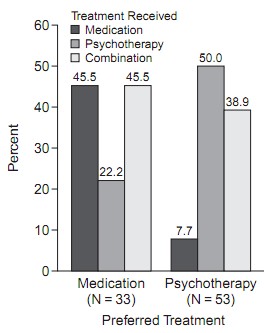
A paper in this month’s Psychotherapy and Psychosomatics by Mergl and colleagues shows that patient preference (that is, whether the patient prefers medications or psychotherapy) predicts how effective a treatment will be.  In their study, patients who expressed a preference for medications at the beginning of treatment had a better response to Zoloft than to group therapy, while patients who preferred therapy showed the exact opposite response.

In an even larger study published in 2009 by James Kocsis and colleagues at Weill-Cornell in New York (comparing nefazodone, an antidepressant, with a cognitive therapy approach called CBASP), a similar result was obtained:  patients with chronic major depression who entered the study expressing a preference for drug treatment had higher remission rates when receiving medication than when receiving psychotherapy, and vice versa.

The numbers were quite shocking:

Patients who preferred medication:

Treatment received Remission rate Avg. depression score (HAM-D) at end of study (high score = more depressed)
Meds 45.5% 11.6
Therapy 22.2% 21.0

Patients who preferred therapy:

Treatment received Remission rate Avg. depression score (HAM-D) at end of study
Meds 7.7% 18.3
Therapy 50.0% 12.1

(original HAM-D scores were approximately 26-27 for all patients, constituting major depression, and patients in this study had been depressed for over two years)

Thus, if a depressed patient wanted therapy but got medications instead, their chances of “remitting” (ie, having a fully therapeutic response to nefazodone) were less than 1 in 12.  But if they did get therapy, those chances improved to 1 in 2.  Interestingly, patients who preferred therapy and got combination treatment (meds and therapy) actually did worse than with therapy alone (remission rate was only 38.9%), leading the authors to conclude that “few patients who stated a preference for psychotherapy benefited much from the addition of medication.”

It’s not surprising, at first glance, that people who “get what they want” do better.  After all, a depressed patient who insists on taking meds probably won’t get much better if he’s dragged into psychotherapy against his will, and the patient who believes that a weekly session with a therapist is exactly what she needs, will probably have some resistance to just getting a pill.

But then again, isn’t depression supposed to be a hard-wired biological illness?  Shouldn’t a medication have a more profound effect, regardless of whether the patient “wants” it or not?

Apparently not.  The fact that people responded to the treatment they preferred means one of two things.  There may be two different types of depression, one that’s biological and one that’s more behavioral or “exogenous,” and people just happen to choose the appropriate treatment for their type due to some predisposition or innate tendency (self-knowledge?).  Alternatively, the “biological” basis of depression is not all it’s cracked up to be.

One question raised by these results is, why don’t we listen more to our patients and give them what they say they want?  If half the people who want therapy actually get better with therapy, doesn’t that make it hard to justify meds for this population?  Conversely, when we talk about “treatment-resistant depression,” or “depression that doesn’t respond to antidepressants alone,” could it be that the people who don’t respond to pills are simply those who would rather engage in psychotherapy instead?

I believe the implications of these findings may be significant.  For one thing, insurers are becoming less likely to pay for therapy, while they spend more and more money on antidepressant medications.  These studies say that this is exactly what we don’t want to do for a large number of patients (and these patients are easy to identify—they’re the ones who tell us they don’t want meds!).  Furthermore, trials of new antidepressant treatments should separate out the self-described “medication responders” and “therapy responders” and determine how each group responds.  [Note:  in the large STAR*D trial, which evaluated “switching” strategies, patients were given the opportunity to switch from meds to therapy or from one med to a different one of their choosing, but there was no group of patients who didn’t have the option to switch.]  If the “therapy responders” routinely fail to respond to drugs, we need to seriously revamp our biological theories of depression.  Its chemical basis may be something entirely different from how our current drugs are thought to work, or maybe depression isn’t “biological” at all in some people.  This will also keep us from wasting money and resources on treatments that are less likely to work.

While it’s often risky to ask a patient what he or she wants (and to give it to them), depression may be just the opportunity to engage the patient in a way that respects their desires.  These data show that the patient may know more than the doctor what “works” and what doesn’t, and maybe it’s time we pay closer attention.


What Psychiatrists Treat and Why

February 20, 2011

Do we treat diseases or symptoms in psychiatry?  While this question might sound philosophical in nature, it’s actually a very practical one in terms of treatment strategies we espouse, medications and other interventions we employ, and, of course, how we pay for mental health care.  It’s also a question that lies at the heart of what psychiatry is all about.

Anyone who has been to medical school or who has watched an episode of House knows that a disease has (a) an underlying pathology, often hidden to the naked eye but which is shared by all patients with that diagnosis, and (b) signs and symptoms, which are readily apparent upon exam but which may differ in subtle ways from patient to patient.  An expert physician performing a comprehensive examination can often make a diagnosis simply on the basis of signs and symptoms.  In some cases, more sophisticated tools (lab tests, scans, etc) are required to confirm the diagnosis.  In the end, once a diagnosis is obtained, treatment can commence.

(To be sure, sometimes a diagnosis is not apparent, and a provisional or “rule-out” diagnosis is given.  The doctor may initiate treatment on an empiric basis but will refine the diagnosis on the basis of future observations, responses to treatment, and/or disease course.)

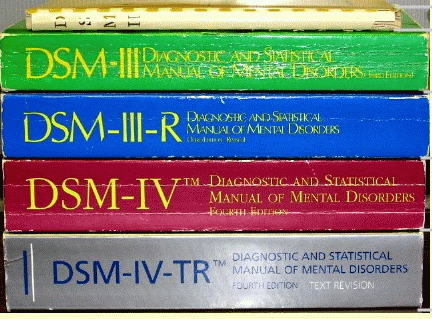
In psychiatry, which is recognized as a branch of medicine and (should) subscribe to the same principles of diagnosis and treatment, the expectations are the same.  There are a number of diseases (or disorders) listed in the DSM-IV, each theoretically with its own underlying pathology and natural history, and each recognizable by a set of signs and symptoms.  A careful psychiatric evaluation and mental status exam will reveal the true diagnosis and suggest a treatment plan to the clinician.

It sounds simple, but it doesn’t always work out this way.  Psychiatrists may disagree about a given diagnosis, or make diagnoses based on “soft” signs.  Moreover, there are very few biological or biochemical tests to “rule in” a psychiatric diagnosis.  As a result, treatment plans for psychiatric patients often include multiple approaches that don’t make sense;  for example, using an antidepressant to treat bipolar disorder, or using antipsychotics to treat anxiety or insomnia symptoms in major depression.

The psychiatrist Nassir Ghaemi at Tufts has written about this before (click here for a very accessible version of his argument and here [registration required] for a more recent dialogue in which he argues his point further).  Ghaemi argues in favor of what he calls “Hippocratic psychopharmacology.” Specifically, we should understand and respect the normal course of a disease before initiating treatment.  He also emphasizes that we not treat symptoms, but rather the disease (this is also known as Osler’s Rule, in honor of Sir William Osler, the “founder of modern medicine”).  For example, Ghaemi makes a fairly compelling argument that bipolar disorder should be treated with a mood stabilizer alone, and not with an antidepressant, or an antipsychotic, or a sedative, because those drugs treat symptoms which should resolve as a person goes through the natural course of the disease.  In other words, we miss the diagnostic forest by focusing on the symptomatic trees.

The problem is, this is a compelling argument only if there is such a diagnosis as “bipolar disorder.”  Or, to be more specific, a clear, unitary entity with a distinct pathophysiological basis that gives rise to the symptoms that we see as mania and depression, and which all “bipolar” patients share.  And I don’t believe this assumption has been borne out.

My personal bias is that bipolar disorder does exist.  So do major depression, schizophrenia, panic disorder, anorexia nervosa, ADHD, and (almost) all the other diagnoses listed in the DSM-IV.  And a deeper understanding of the pathophysiology of each might help us to develop targeted treatments that will be far more effective than what have now.  But we’re not there yet.  In the case of bipolar disorder, lithium is a very effective drug, but it doesn’t work in everyone with “bipolar.”  Why not?  Perhaps “bipolar disorder” is actually several different disorders.  Not just formes frustes of the same condition but separate entities altogether, with entirely different pathophysiologies which might appear roughly the same on the outside (sort of like obesity or alcoholism).  Of course, there are also many diagnosed with “bipolar” who might really have no pathology at all– so it is no surprise that they don’t respond to a mood stabilizer (I won’t elaborate on this possibility here, maybe some other time).

The committee in charge of writing the DSM-5 is almost certainly facing this conundrum.  One of the “holy grails” of 21st century psychiatry (which I wrote about here) is to identify biochemical or genetic markers that predict or diagnose psychiatric disease, and it was hoped that the next version of the DSM would include these markers amongst its diagnostic criteria.   Unfortunately, this isn’t happening, at least not with DSM-5.  In fact, what we’re likely to get is a reshuffling and expansion of diagnostic criteria.  Which just makes matters worse:  how can we follow Osler’s advice to treat the disease and not the symptom when the definition of disease will change with the publication of a new handbook?

As a practicing psychiatrist, I’d love to be able to make a sound and accurate diagnosis and to use this diagnosis to inform my treatment, practicing in the true Hippocratic tradition and following Osler’s Rule, which has benefited my colleagues in other fields of medicine.  I also recognize that this approach would respect Dr Ghaemi’s attempt at bringing some order and sensibility to psychiatric practice.  Unfortunately, this is hard to do because (a) we still don’t know the underlying cause(s) of psychiatric disorders, and (b) restricting myself to pathophysiology and diagnosis means ignoring the psychosocial and environmental factors that are (in many ways) even more important to patients than what “disease” they have.

It has frequently been said that medicine is an art, not a science, and psychiatry is probably the best example of this truism.  Let’s not stop searching for the biological basis of mental illness, but also be aware that it may not be easy to find.  Until then, whether we treat “diagnoses” or “symptoms” is a matter of style.  Yes, the insurance company wants a diagnosis in order to provide reimbursement, but the patient wants management of his or her symptoms in order to live a more satisfying life.


How Lithium Works (Maybe)

February 17, 2011

“Half of what we have taught you is wrong.  Unfortunately, we don’t know which half.”

— attributed to a Harvard Medical School dean at commencement, sometime in the 20th century

The above, possibly apocryphal, statement is often invoked to illustrate how dynamic the field of medicine can be, and how what we thought we once knew beyond a shadow of a doubt, sometimes turns out to be dead wrong.  It’s also a celebration of scientific progress; as we revise our pathophysiological models, we can develop more targeted therapeutics.

In this regard, psychiatry is no different from any other field of medicine.  We don’t know (yet) what we don’t know, but once we do, our treatments will improve.  At the same time, we need to be careful how we use this new information, lest it give us a false sense that we “know” something we don’t.

I thought of this question when I encountered a headline earlier today at psychcentral.com“How Lithium Works Finally Explained.” Talk about a tantalizing headline!  First used clinically in the late 1800s (and later “rediscovered” in the 1940s), and still used extensively as a mood stabilizer in bipolar disorder and as adjunctive treatment for major depression, lithium is one of the most widely prescribed medications in all of medicine.  Many patients report a very good response to lithium, and its efficacy has not been surpassed by the multitude of other mood stabilizing agents introduced in the last 40 years.

But there’s just one problem.  Nobody really knows how lithium works.  It’s an ion (similar to sodium), so it doesn’t bind to a receptor or transporter, like most other psychiatric drugs.  It doesn’t seem to affect membrane potential (and therefore neuron excitability), and it doesn’t seem to target any particular region of the brain, much less those thought to be involved in mood disorders.  It may inhibit intracellular messengers (the phosphatidylinositol pathway) or it might inhibit cellular differentiation (via the Wnt signaling pathway).  Maybe it blocks sodium ion transport.  Maybe it interacts with nitric oxide.  No one knows.  And yet it works.

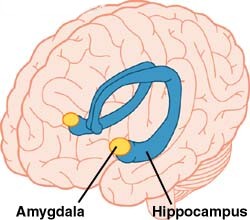
So it was with great interest that I read the original paper cited in the Psychcentral article.  It’s a “mega-analysis,” published in the February 15 issue of Biological Psychiatry, of 321 bipolar patients in 11 centers worldwide who underwent MRI scans and were compared to non-bipolar controls.  Half of the bipolar patients were taking lithium.  To summarize the results, patients taking lithium had larger hippocampal and amygdala volumes than those not taking lithium, and patients with a longer history of bipolar disorder had reduced cerebral volumes.

The data, then, seem to be consistent with the idea of lithium as having a “trophic” effect—i.e., as a promoter of neuronal growth, at least in some brain structures.  But that’s about all we can say.  Whether this has anything to do with intracellular signaling or the Wnt pathway, or with any known nerve growth factors, is beyond the scope of this study.

So despite the exciting headline claiming to identify the “mechanism of lithium,” this is simply an observation, much like the observation about how antipsychotics may decrease brain volumes, about which I wrote last week.  It suggests further research to understand lithium’s effect on these regions.  But it may not be clinically relevant.

Lithium is a widely used drug because it works.  Period.  These new data add to our knowledge about bipolar disorder, but to assume that they help us understand bipolar patients any better than we did before, is incorrect.  Moreover, it may lead us to draw false conclusions about our patients (i.e., “he’s not responding to lithium so his hippocampus must be atrophied”) or, worse, reject or disregard data that don’t fit with our hypothesis.  I’d much rather prescribe a drug because I have years of experience using it, and have heard hundreds of patients endorse its benefit, rather than adhere to an incorrect theory, even a theory with “face validity” like lithium promoting nerve cell growth and differentiation.  In fact it’s not too hard to find arguments against this theory:  for starters, consider lithium’s teratogenic effects during human embryonic development.

Anyone who wants an accurate explanation for how a psychiatric drug works is, unfortunately, out of luck.  The serotonin hypothesis is a perfect example:  SSRIs work in a lot of patients, and the serotonin hypothesis helps to guide treatment, but it might be absolutely incorrect.  How many alternate explanations have we ignored because we want to believe that our model must be right?

We can, and should, continue to use SSRIs to treat depression, and lithium to treat bipolar disorder.  But we should be aware that our explanations of their mechanisms are mere hypotheses—nothing more.  And, moreover, that these hypotheses may be contradicted or proven wrong.  Because we don’t know which half of our knowledge is the correct half.


Cognitive Therapy in Schizophrenia: Worth Another Look

February 15, 2011

While writing my recent post on the placebo effect in schizophrenia (and while reviewing some of the comments I received on this post), I started to think about what aspects of the patients’ experience are most susceptible to change, which might account for the “placebo effect” seen in clinical studies of antipsychotics.  As one commenter correctly pointed out, the placebo effect should not be viewed as a mysterious consequence of ingesting some inert drug, but rather a reflection of the patient’s inherent ability to heal.  Unfortunately we know very little about the mechanisms involved, and we are devoting even less effort to understanding how to capitalize (no pun intended) on this process in the long-term management of psychotic disorders.

I realized, however, that I didn’t acknowledge the fact that psychotherapy does have a place in the treatment of schizophrenia.  Psychosocial treatment approaches, for instance, are routinely employed, with varying degrees of success, and some groups have used cognitive behavioral therapy techniques as well.  Cognitive therapy, in a nutshell, is based on the assumption that early experiences and social environment can give rise to “schemas” about the self, other people, and the world.  These beliefs then lead to cognitive distortions, negative styles of thinking, and misinterpretations of events in the world (or in one’s own mind).  Cognitive therapy aims to question or challenge these distortions and misinterpretations to engender a healthier, more functional view of oneself and one’s ability to master his surroundings.

At first glance, cognitive therapy seems like it would be ineffective in a psychotic patient, who may not be able to appreciate the discrepancy between his subjective experiences and objective reality.  Nevertheless, it has shown some promise, and a classic paper in this field is the 1994 article “Cognitive Behaviour Therapy of Schizophrenia” by Kingdon, Turkington, and John, in the British Journal of Psychiatry.  It is a fascinating, and eye-opening, read.

A particularly striking aspect of the paper (and keep in mind that I received my psychiatric training within the last 10 years, firmly in the atypical antipsychotic era) is that it says nothing about eliminating psychotic symptoms.  The current literature, in contrast, starts with the assumption that hallucinations, delusions, and cognitive deficits of schizophrenia are biochemical entities (which they are, of course, like any other mental phenomenon), but they are deviant and/or undesirable, and biological interventions (i.e., drugs) abolish or “correct” them.  The Kingdon article assumes that schizophrenic thought content lies on a continuum with “normal” cognition, and in fact some of the same cognitive processes are employed, albeit improperly or deficiently.  The authors claim that “abnormal beliefs” can be more or less “amenable to reason” (as with any cognitive distortion in CBT) and a key element of therapy is to “identify meaning in delusional material and then assess alternative explanations.”  In other words, it emphasizes the patient’s subjective experience, rather than the symptoms witnessed by the clinician.

Another surprising feature of the Kingdon article is its implicit acknowledgment that certain delusions or hallucinations may be entirely acceptable.  Schizophrenic patients, they claim, often do not have the ability to “meta-think”– i.e., to think about thinking– so they frequently are not aware that their unusual sensory or perceptual experiences differ from normal thought.  As a result, they cannot usually be “argued out of” a belief, even with the most skilled cognitive behavioral approach, and we must accept that they’ll find their own personal meaning for their experience.  “It may be,” the authors write, “that the reassurance of finding a meaningful explanation, however improbable, in a distressing and perplexing situation is sufficient to explain why the delusion is reached for and clung to, so energetically and with such certainty.”

Newer applications of CBT-based techniques, reviewed in an excellent 2009 article by Tai and Turkington in Schizophrenia Bulletin, have taken advantage of this viewpoint and start with the belief that “it is the individual’s personal meaning, understanding, and coping with symptoms that are the focus of treatment” – not the mere presence or absence of hallucinations or delusions.  In particular, mindfulness-based approaches, acceptance and commitment therapy (ACT), and compassionate mind training (CMT), are therapeutic techniques that involve awareness of one’s experience, acceptance of internal events, and minimization of shame and self-criticism that can arise from paranoid or persecutory thoughts, respectively.

Schizophrenia is probably not a single disease; in fact it is likely to comprise many different cognitive, developmental, physiological, and externally mediated disruptions, all of which lie on a spectrum with the “normal” state.  (The Kingdon article, in fact, goes to great lengths to point out how even non-psychotic individuals can experience “psychotic” beliefs in the form of superstitious thought, overvalued ideas, or psychosis induced by sleep deprivation or hallucinogenic drugs.)  To be sure, some psychotic symptoms in some patients will respond best to a dopamine antagonist, but it is imperative that we employ other tools at our disposal to help patients overcome them, amend them, or just accept them.  Unfortunately, too few psychiatrists in my generation have learned those tools—all we have is the antipsychotic hammer, and “schizophrenia” is the proverbial, monolithic nail.


The Placebo Effect: It Just Gets Better and Better

February 13, 2011

The placebo response is the bane of clinical research.  Placebos, by definition, are inert, inactive compounds that should have absolutely no effect on a patient’s symptoms, although they very frequently do.  Researchers compare new drugs to placebos so that any difference in outcome between drug and placebo can be attributed to the drug rather than to any unrelated factor.

In psychiatry, placebo effects are usually quite robust.  Trials of antidepressants, antianxiety medications, mood stabilizers, and other drugs typically show large placebo response rates.  A new paper by Bruce Kinon and his colleagues in this month’s Current Opinion in Psychiatry, however, reports that placebos are also show some improvement in schizophrenia.  Moreover, placebos seem to have become more effective over the last 20 years!

Now, if there’s any mental illness in which you would not expect to see a placebo response, its schizophrenia.  Other psychiatric disorders, one might argue, involve cognitions, beliefs, expectations, feelings, etc.—all of which could conceivably improve when a patient believes an intervention (yes, even a placebo pill) might make him feel better.  But schizophrenia, by definition, is characterized by a distorted sense of reality, impaired thought processes, an inability to grasp the differences between the external world and the contents of one’s mind, and, frequently, the presence of bizarre sensory phenomena that can only come from the aberrant firing of the schizophrenic’s neurons.  How could these symptoms, which almost surely arise from neurochemistry gone awry, respond to a sugar pill?

Yet respond they do.  And not only do subjects in clinical trials get better with placebo, but the placebo response has been steadily improving over the last 20 years!  Kinon and his colleagues summarized placebo response rates from various antipsychotic trials since 1993 and found a very clear and gradual improvement in scores over the last 15-20 years.

Very mysterious stuff.  Why would patients respond better to placebo today than in years past?  Well, as it turns out (and is explored in more detail in this article), the answer may lie not in the fact that schizophrenics are being magically cured by a placebo, but rather that they have greater expectations for improvement now than in the past (although this is hard to believe for schizophrenia), or that clinical researchers have greater incentives for including patients in trials and therefore inadequately screen their subjects.

In support of the latter argument, Kinon and his colleagues showed that in a recent antidepressant trial (in which some arbitrary minimum depression score was required for subjects to be included), researchers routinely rated their subjects as more depressed than the subjects rated themselves at the beginning of the trial—the “screening phase.”  Naturally, then, subjects showed greater improvement at the end of the trial, regardless of whether they received an antidepressant or placebo.

A more cynical argument for why antipsychotic drugs don’t “separate from placebo” is because they really aren’t that much better than placebo (for an excellent series of posts deconstructing the trials that led to FDA approval of Seroquel, and showing how results may have been “spun” in Seroquel’s favor, check out 1BoringOldMan).

This is an important topic that deserves much more attention.  Obviously, researchers and pharmaceutical companies want their drugs to look as good as possible, and want placebo responses to be nil (or worse than nil).  In fact, Kinon and his colleagues are all employees of Eli Lilly, manufacturer of Zyprexa and other drugs they’d like to bring to market, so they have a clear interest in this phenomenon.

Maybe researchers do “pad” their studies to include as many patients as they can, including some whose symptoms are not severe.  Maybe new antipsychotics aren’t as effective as we’d like to believe them to be.  Or maybe schizophrenics really do respond to a “placebo effect” the same way a depressed person might feel better simply by thinking they’re taking a drug that will help.  Each of these is a plausible explanation.

For me, however, a much bigger question arises: what exactly are we doing when we evaluate a schizophrenic patient and prescribe an antipsychotic?  When I see a patient whom I think may be psychotic, do I (unconsciously) ask questions that lead me to that diagnosis?  Do I look for symptoms that may not exist?  Does it make sense for me to prescribe an antipsychotic when a placebo might do just as well?  (See my previous post on the “conscious” placebo effect.)  If a patient “responds” to a drug, why am I (and the patient) so quick to attribute it to the effect of the medication?

I’m glad that pharmaceutical companies are paying attention to this issue and developing ways to tackle these questions.  Unfortunately, because their underlying goal is to make a drug that looks as different from placebo as possible (to satisfy the shareholders, you know) I question whether their solutions will be ideal.  As with everything in medicine, though, it’s the clinician’s responsibility to evaluate the studies critically—and to evaluate their own patients’ responses to treatment in an unbiased fashion—and not to give credit where credit isn’t due.


“That’s OK, I Didn’t Need That Brain Anyway”

February 10, 2011

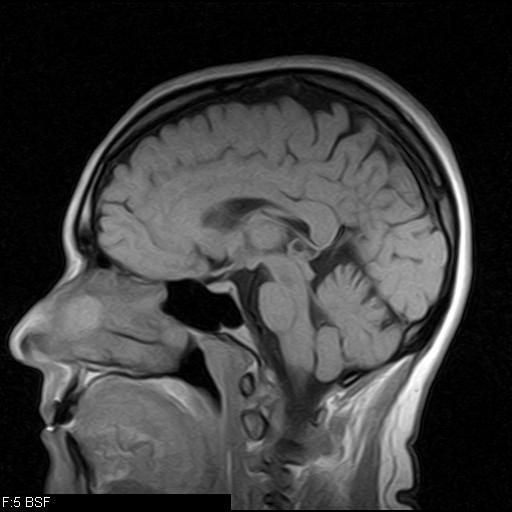
Long-term treatment with antipsychotic medication apparently causes a decrease in brain volume, according to a new report by Nancy Andreasen’s group at the University of Iowa in this month’s Archives of General Psychiatry. In the study, over 200 schizophrenic patients, treated with antipsychotics, underwent MRI scans of their brains at various intervals over a 5-14 year period. The results showed that the “intensity” of antipsychotic treatment (i.e., doses and lengths of treatment) correlated with the reduction in brain tissue.

Instead of just looking at an overall “snapshot” of the brain, researchers calculated the volumes of several brain regions (from the whole-brain MRI scans) and found, on average, subtle decreases in both gray matter and white matter volumes, as well as enlargement of the ventricles (the “spaces” in the normal brain). The changes were more pronounced with longer time periods of treatment and, in particular, when higher doses of antipsychotics were used for extended periods of time.

As expected, this finding has generated a great deal of interest— if not concern– and more than a touch of “I-told-you-so” from certain camps (see “Antipsychotics Shrink the Brain” by Robert Whitaker). Indeed, at first blush, it is quite shocking to think that the first-line treatment for such a devastating brain disease might cause damage to the very organ we are trying to treat.

But is it really “damage”? All joking aside, I think the title of this post needs to be taken seriously. Does the observed loss in brain tissue loss mean that a person is incapacitated in any way? That he can no longer think, feel, see, taste, or make plans for the future? Moreover, despite the headlines, the tissue loss was not incredibly dramatic. In other words, we’re not talking about a healthy, robust brain turning into a moth-eaten mass of Swiss cheese. In fact, by my read of the data, the largest individual change in frontal gray matter volume was from about 330 cm3 to 290 cm3 over a 10-year period (yes, that’s >10%, but who knows what else was happening in that patient?). Other changes were much smaller, and many patients actually showed increases in brain volumes.

There were slight correlations with disease severity (more symptomatic disease was associated with a greater decrease in brain volume), and different classes of antipsychotics affected some regions of the brain differently than others. Interestingly, there seemed to be no independent effect of substance abuse on brain volume changes, despite the oft-heard warning that drugs and alcohol “kill brain cells.”

So what does this all mean? Obviously, some will say that this provides evidence that antipsychotics are toxic to brain cells. But there’s no clear evidence that neurons are actually dying; in some studies in monkeys taking antipsychotic medication, the number of neurons remains constant, but they increase in density because support cells (called glia) decrease in number– resulting in the macroscopic appearance of a “smaller brain.”

Moreover, it is quite possible that the disease process itself already leads to a decrease in brain volume (actually, we know this already) and effective treatment helps to further “prune” dysfunctional areas of the brain. In fact, an editorial accompanying the article claims that “strategic reductions in brain volume” might actually be therapeutic, and reminds us that gray matter volume decreases significantly during human adolescence, a process thought to underlie the organization and refinement of brain cells, and elimination of redundancy. (No wonder you have to tell your teenage son six times to clean his room.)

The best way to tackle this question, of course, is to take two groups of schizophrenics, treat one “as usual” with antipsychotics and the other with no medication at all, and perform brain scans at regular intervals. For ethical reasons, we can’t do this (it’s unethical not to treat a psychotic patient with an antipsychotic– although some would argue differently). Another way is to take advantage of the fact that many non-schizophrenic patients are now taking antipsychotics for OTHER diagnoses– bipolar disorder, depression, anxiety, insomnia, PTSD (just to name a few)– and we could compare those on antipsychotics to those on other drugs. If we see brain tissue loss across a wide spectrum of diagnoses, it suggests that this effect may be a direct result of antipsychotic treatment, even though the mechanism remains unknown.

Regardless of what’s actually happening in the brains of treated schizophrenics– and whether it’s “good” or “bad,” or whether it resembles the brain loss observed in birds living near Chernobyl— two things must be kept in mind. First, the patient’s well-being is of utmost importance; it would be inappropriate to withhold antipsychotic treatment from a patient who is clearly tormented and disabled from his paranoia, his delusional preoccupations, and his absolute lack of insight, particularly when we know that such medications do, in most cases, result in dramatic improvement. At the same time, we must also consider the other side of the coin, namely that if antipsychotics might cause an unexplained loss in brain tissue—or any other anatomic defect elsewhere, for that matter—we must seriously consider our rationale for these drugs. In particular, brain development in children is an ongoing process, not complete until late adolescence or early adulthood.

Hopefully this finding will stimulate research to determine how antipsychotics affect brain cells over time. Perhaps then we can find ways to preserve brain structure – or, at least, essential brain structure—while still treating the symptoms of mental illness. In other words, avoiding harm, while still doing good.